
Flame Igniter Mastery for Ceramic Heat
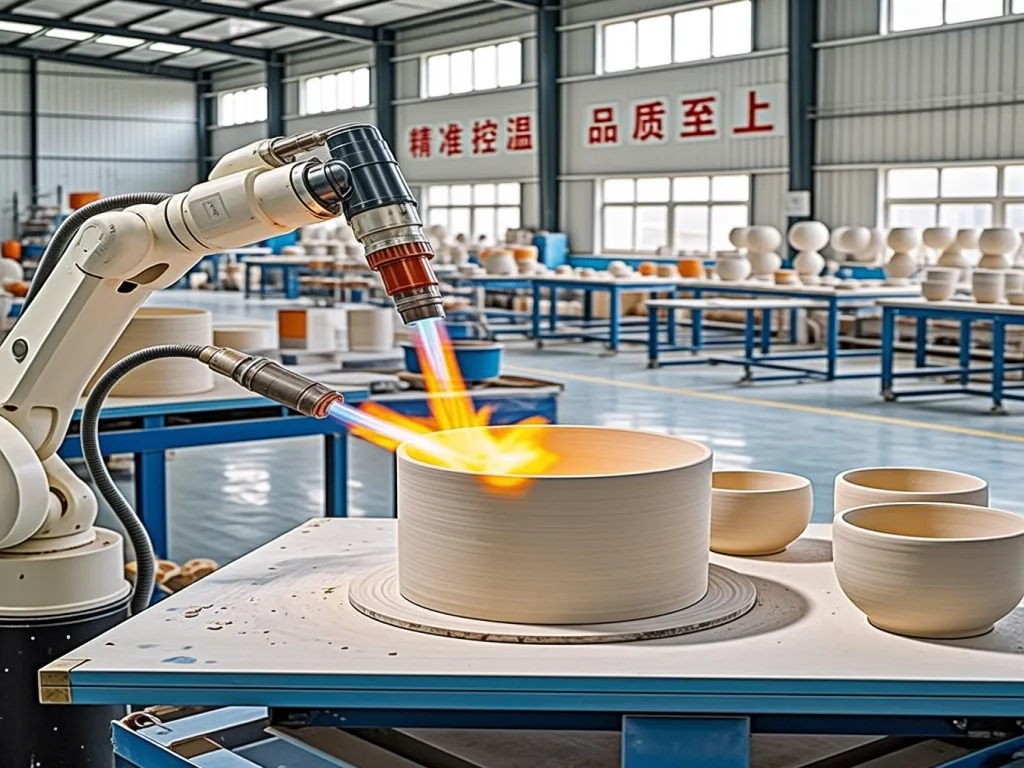
In the world of high-temperature ceramic manufacturing, precision is everything. Whether you’re crafting delicate pottery or industrial-grade components, the right flame igniter can make or break your production line. But with so many options out there, how do you know which one truly fits your needs? Let’s dive into the nitty-gritty of selecting the ideal flame igniter for your ceramic heating applications.
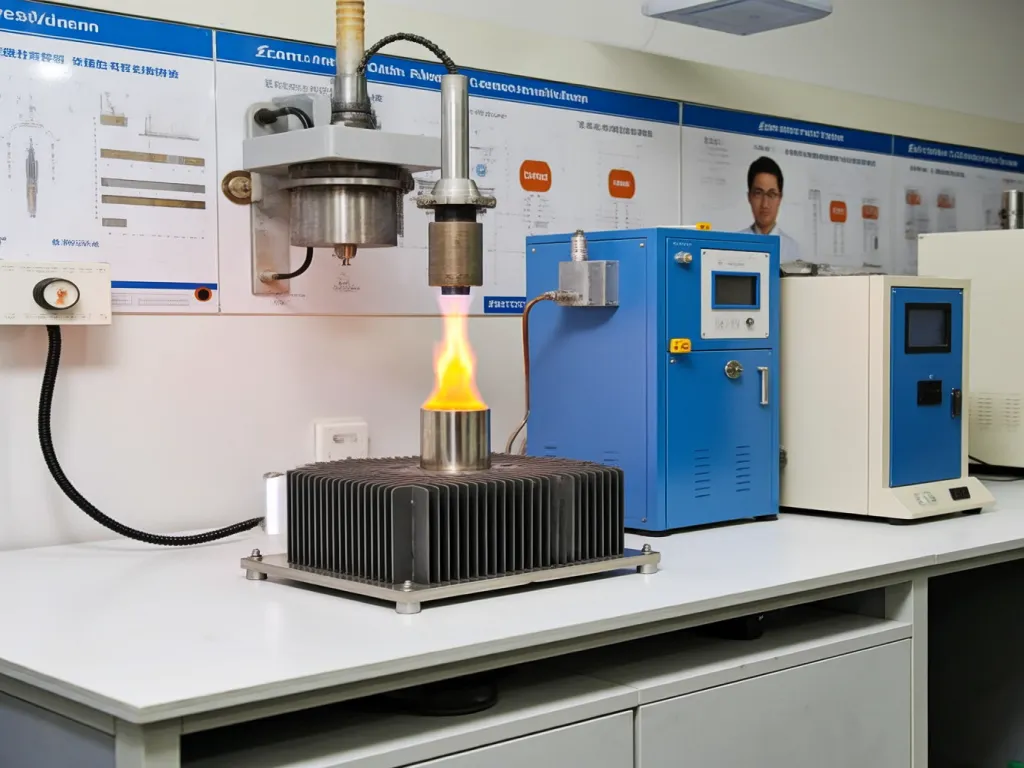
Special Requirements of High-Temperature Ceramics for Flame Igniters: Performance & Design
When it comes to high-temperature ceramic applications, the choice of a flame igniter isn’t just about getting the job done—it’s about ensuring reliability, efficiency, and longevity under extreme conditions. So, what exactly makes a flame igniter suitable for such demanding environments? Let’s break down the key requirements and explore how material selection and structural design play pivotal roles.
1. Thermal Resistance: The First Line of Defense
High-temperature ceramics often operate in environments where temperatures soar well beyond what standard igniters can handle. For instance, in industrial kilns or aerospace applications, the igniter might face sustained temperatures exceeding 1000°C. This is where thermal resistance becomes non-negotiable.
Material Selection: To withstand such heat, manufacturers typically opt for advanced ceramics like alumina (Al₂O₃) or zirconia (ZrO₂). These materials boast melting points far above 2000°C, ensuring they remain stable even when exposed to intense flames. But it’s not just about the base material; coatings matter too. Applying a thin layer of yttria-stabilized zirconia (YSZ) can enhance thermal shock resistance, preventing cracks caused by rapid temperature changes.
Structural Design: Beyond material choice, the physical design of the igniter must minimize heat absorption and maximize heat dissipation. A common approach is to incorporate cooling fins or channels that allow airflow, reducing the risk of overheating. Additionally, designing the igniter with a minimal cross-sectional area at the hottest point helps concentrate heat where it’s needed while keeping other parts cooler. For high-performance igniters designed specifically for such demanding environments, consider exploring our high-temperature ignition solution.
2. Corrosion Resistance: Fighting Chemical Attack
High-temperature environments often come hand-in-hand with corrosive gases or vapors. Think about fuel combustion in gas turbines or the acidic fumes in chemical processing plants. A flame igniter here must resist not just heat but also chemical degradation.
Material Selection: Stainless steel alloys like 316L or Hastelloy C-276 are popular choices for their excellent corrosion resistance. However, in purely ceramic solutions, materials like silicon carbide (SiC) shine. SiC forms a protective silica layer when exposed to oxygen, acting as a barrier against further oxidation and chemical attack. For even harsher conditions, composite ceramics blending SiC with alumina or boron nitride can offer superior performance.
Structural Design: To combat corrosion, the design should avoid crevices or sharp edges where corrosive agents can accumulate. Smooth, rounded surfaces reduce the likelihood of localized corrosion. Moreover, incorporating sacrificial layers—materials that corrode preferentially to protect the core—can extend the igniter’s lifespan significantly.
3. Mechanical Stability: Withstanding Vibration & Impact
High-temperature ceramic applications aren’t always static. Vibrations from machinery or thermal expansion cycles can stress the igniter, leading to fatigue or failure. Thus, mechanical stability is crucial.
Material Selection: Here, the focus shifts to materials with high fracture toughness. While pure ceramics are brittle, reinforced ceramics (like SiC-fiber-reinforced SiC) or ceramic matrix composites (CMCs) can absorb energy and resist cracking. These materials combine the benefits of ceramics (heat resistance) with enhanced ductility.
Structural Design: The igniter’s geometry must account for thermal expansion. Using materials with similar coefficients of thermal expansion (CTE) for adjacent parts prevents warping or separation. Additionally, designing flexible joints or bellows can accommodate movement without compromising the igniter’s integrity.
4. Electrical & Thermal Conductivity: Balancing Act
For electric flame igniters, electrical conductivity is vital for spark generation, while thermal conductivity influences how quickly heat is transferred. Striking the right balance is key.
Material Selection: Metals like nickel or platinum are excellent electrical conductors but may lack sufficient thermal resistance. To address this, manufacturers use hybrid designs—a metallic tip for spark generation paired with a ceramic body for insulation and heat resistance. Alternatively, doped ceramics (like alumina with small amounts of titanium) can slightly increase conductivity without sacrificing thermal stability.
Structural Design: The igniter’s electrode design must ensure consistent spark delivery. Sharp edges or pointed tips concentrate electric fields, enhancing spark intensity. Meanwhile, insulating layers around the electrode prevent unintended heat loss, maintaining the igniter’s efficiency. For durable igniters that can handle high-temperature environments, our high-temperature durability igniter is an excellent choice.
5. Longevity & Maintenance: Minimizing Downtime
In industrial settings, downtime is costly. A flame igniter that lasts longer and requires less maintenance is inherently more valuable.
Material Selection: Wear-resistant coatings, such as diamond-like carbon (DLC), can significantly extend the lifespan of metallic components. For ceramics, self-healing materials—those that can close microcracks through oxidation or phase changes—are an emerging area of interest.
Structural Design: Modular designs allow for easy replacement of worn parts without discarding the entire igniter. Additionally, incorporating sensors that monitor temperature or corrosion levels can provide early warnings, enabling proactive maintenance.
Wrapping Up: Designing for the Extremes
Choosing the right flame igniter for high-temperature ceramic applications isn’t a one-size-fits-all decision. It requires a deep understanding of the operating environment, coupled with strategic material selection and thoughtful structural design. By prioritizing thermal resistance, corrosion resistance, mechanical stability, and electrical/thermal conductivity, you can ensure your igniter not only survives but thrives in the toughest conditions. For replacement options that meet these criteria, consider our high-performance replacement ignitor. Have you ever faced challenges selecting an igniter for extreme environments? Share your experiences—we’d love to hear how you tackled them!
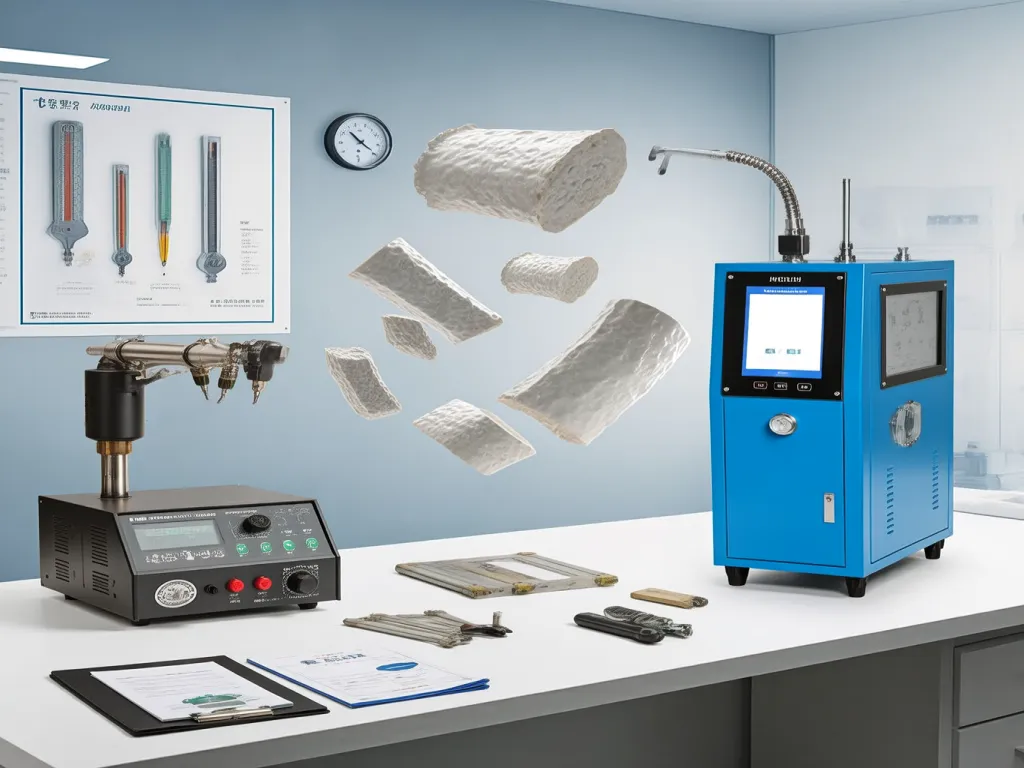
Comparative Analysis: Electric vs. Gas Flame Igniters in High-Temperature Ceramic Applications
When it comes to high-temperature ceramic applications, selecting the right flame igniter is not just a matter of preference—it’s a critical decision that impacts efficiency, safety, and cost-effectiveness. Let’s dive into the world of flame igniters, specifically electric and gas types, to understand their strengths and weaknesses in this demanding environment.
Electric Flame Igniters: Precision and Control
Electric flame igniters, often referred to as electric igniters, are renowned for their precision and control over the ignition process. They work by passing an electric current through a resistive element, generating heat that ignites the gas or air-fuel mixture. This method offers several advantages in high-temperature ceramic manufacturing:
- Instant Ignition: Electric igniters provide near-instantaneous ignition, which is crucial in processes where timing is everything. This rapid response minimizes downtime and enhances productivity.
- Adjustable Temperature: Many electric igniters allow for temperature adjustments, enabling fine-tuning of the ignition process to match specific ceramic materials and firing cycles.
- Low Maintenance: Compared to their gas counterparts, electric igniters generally require less maintenance. There are no moving parts to wear out, and the absence of open flames reduces the risk of contamination.
However, electric igniters are not without their drawbacks. They can be sensitive to voltage fluctuations, which may affect their performance. Additionally, in environments with high levels of dust or particulates, the buildup on the resistive element can reduce efficiency over time.
Gas Flame Igniters: Robustness and Flexibility
Gas flame igniters, on the other hand, utilize a gas-air mixture to create a flame that ignites the ceramic material. These igniters are known for their robustness and flexibility in various industrial settings:
- High Heat Output: Gas igniters can produce intense flames, making them suitable for applications requiring high temperatures, such as sintering or glazing.
- Versatility: They can be adapted to different fuel types, including natural gas, propane, and butane, offering flexibility in fuel selection based on availability and cost.
- Durability: Gas igniters are built to withstand harsh conditions, including high temperatures and corrosive atmospheres, making them a reliable choice for long-term use.
Despite these advantages, gas flame igniters come with their own set of challenges. They require a continuous supply of gas, which can be costly and logistically complex. Moreover, the presence of an open flame poses safety risks, including the potential for fires or explosions if not properly managed. Regular maintenance is also essential to prevent blockages and ensure optimal performance.
Making the Right Choice
So, how do you decide between electric and gas flame igniters for your high-temperature ceramic application? It boils down to your specific needs and priorities:
- If precision and control are paramount, and you’re working in a relatively clean environment, an electric igniter might be the better fit.
- If you require high heat output and flexibility in fuel selection, and you’re prepared to manage the safety and maintenance aspects, a gas igniter could be the way to go.
Ultimately, the key is to assess your production requirements, consider the pros and cons of each type, and consult with experts if needed. Remember, the right flame igniter can make all the difference in achieving consistent, high-quality results in your ceramic manufacturing process.
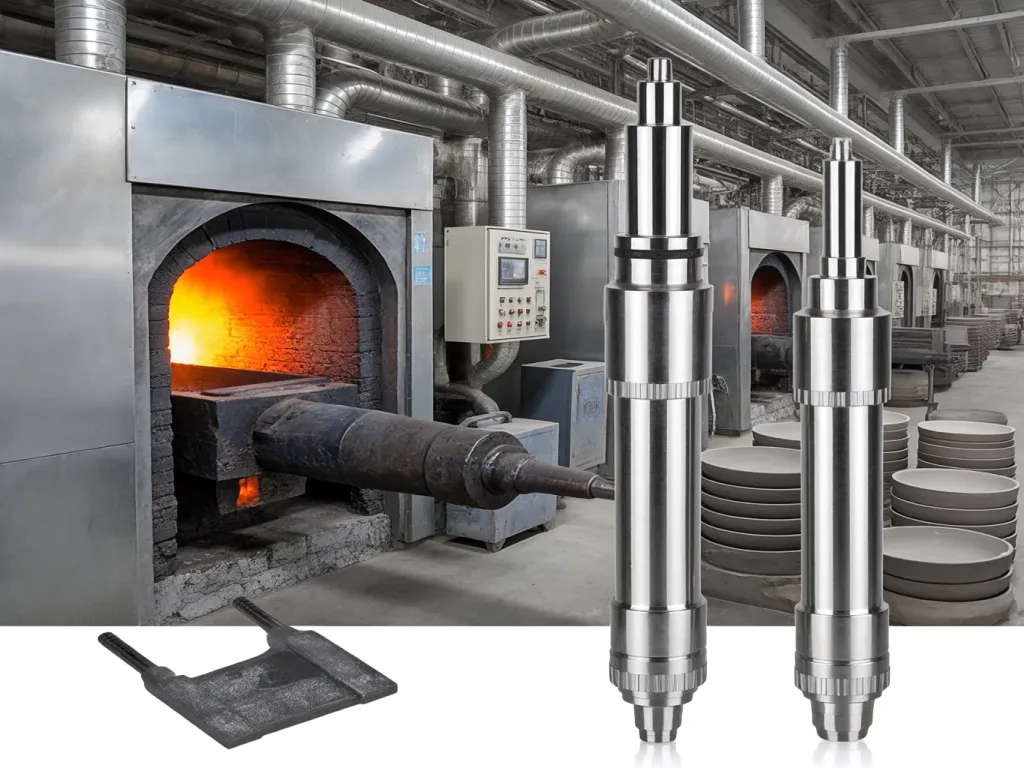
Success Stories & Industry Insights: Optimizing Flame Igniter Selection for High-Temperature Ceramics
Choosing the right flame igniter for high-temperature ceramic production isn’t just about picking a component off the shelf—it’s about understanding how specific designs and materials can transform your production line. Let’s dive into real-world examples where optimized flame igniter selection made all the difference.
One of our clients, a mid-sized ceramic manufacturer in Europe, was struggling with inconsistent firing temperatures in their kilns. Their existing gas-powered igniters were prone to wear and tear, especially under prolonged exposure to temperatures exceeding 1,200°C. The result? Frequent shutdowns for maintenance, uneven ceramic glazing, and wasted materials. After analyzing their setup, we recommended switching to a platinum-tipped electric igniter with a reinforced ceramic body. The upgrade wasn’t just about durability—it was about precision. The new igniter maintained stable ignition temperatures, reducing downtime by 40% and improving product consistency. Within six months, the client reported a 15% increase in output and a significant drop in scrap rates.
But why did this work? Platinum’s high melting point (1,768°C) and resistance to oxidation made it ideal for continuous high-heat environments. Paired with a ceramic body designed to dissipate heat evenly, the igniter avoided hotspots that could degrade performance. This case highlights a critical lesson: material selection isn’t just about surviving high temperatures—it’s about thriving in them.
Another success story comes from Asia, where a large-scale porcelain producer faced challenges with their electric ignition systems. Their original setup used nickel-chromium alloys, which worked well initially but corroded quickly when exposed to sulfur-rich gases in their firing process. The corrosion led to erratic ignition, causing uneven heating and cracked ceramics. Our solution? A hybrid igniter combining tungsten wire elements (for high-temperature stability) with a protective zirconia coating (to resist chemical attack). The result? A 60% longer lifespan compared to their previous model, with consistent ignition even in harsh environments.
What’s fascinating here is how material science intersects with practical needs. Tungsten’s ability to retain strength at extreme temperatures (up to 3,422°C) made it perfect for the core, while zirconia’s chemical inertness shielded it from corrosive gases. This dual-layer approach addressed both thermal and chemical stresses, proving that sometimes, the best solution isn’t a single material but a smart combination.
Industry data backs this up. The same report highlighted that igniters with customizable heat output settings reduced energy consumption by an average of 18%, a critical factor in today’s cost-conscious market.
So, how can you apply these lessons? Start by mapping your production environment: What temperatures will the igniter face? What gases or particles might it encounter? How often will it cycle on and off? For example, if your kiln operates above 1,300°C with occasional sulfur exposure, a platinum-tungsten hybrid with a corundum casing might be ideal. If your process involves rapid temperature changes, look for igniters with thermal shock-resistant designs.
Remember, the ‘right’ igniter isn’t universal—it’s context-specific. A small studio firing decorative ceramics at 900°C might prioritize cost-effective nickel alloys, while an industrial plant producing technical ceramics at 1,600°C needs materials like molybdenum disilicide. The key is aligning the igniter’s capabilities with your production demands.
Finally, don’t overlook the role of maintenance. Even the best igniter will underperform if not properly cared for. Regular inspections for cracks, corrosion, or electrode wear can extend lifespan and prevent unexpected failures. One client reduced igniter replacement costs by 30% simply by implementing a monthly checkup routine.
In the end, optimizing your flame igniter is about more than hardware—it’s about harmony between material, design, and process. When these elements align, you don’t just get a reliable igniter; you get a catalyst for efficiency, consistency, and growth. Ready to transform your ceramic production? Let’s talk about how the right flame igniter can ignite your success.
Case Study 1: European Ceramic Manufacturer
A mid-sized European ceramic manufacturer struggled with inconsistent firing temperatures due to worn-out gas-powered igniters. Switching to a platinum-tipped electric igniter with a reinforced ceramic body reduced downtime by 40%, improved product consistency, and increased output by 15% within six months. The platinum’s high melting point and oxidation resistance, combined with even heat dissipation, addressed both durability and precision needs.
Case Study 2: Asian Porcelain Producer
A large Asian porcelain producer faced corrosion issues with nickel-chromium igniters in sulfur-rich environments. A hybrid igniter with tungsten wire elements and a zirconia coating extended lifespan by 60% and ensured consistent ignition. Tungsten’s thermal stability and zirconia’s chemical inertness created a durable, corrosion-resistant solution tailored to harsh conditions.
Industry Data & Trends
Customizable heat output settings and thermal shock-resistant designs emerged as key trends, emphasizing the need for context-specific igniter solutions.
Choosing the right flame igniter for your high-temperature ceramic applications isn’t just about ticking boxes—it’s about unlocking efficiency, reliability, and longevity in your production process. By understanding the unique demands of ceramic heating and leveraging the insights shared here, you’re well-equipped to make an informed decision. Remember, a well-chosen flame igniter is the spark that ignites success in ceramic manufacturing. Got questions or need personalized advice? Don’t hesitate to reach out—we’re here to help you turn up the heat on your production game!
Related Product
-

Gas Furnace Ignitor – High-Performance Replacement for Non-Working Ignitors
Precision-Engineered for Biomass Boilers, Gas Stoves, and Industrial Heating Systems -
Hot Surface Ignitor – High-Temperature Ignition Solution for Furnaces
Designed for Durable Performance in Gas Heating Systems -
Hot Surface Ignitor – High-Temperature Durability for Furnace Applications
Designed for Webasto, Air Top 2000 12V Parking Heaters