
Flame Rod Water Heaters: Your Ultimate Guide
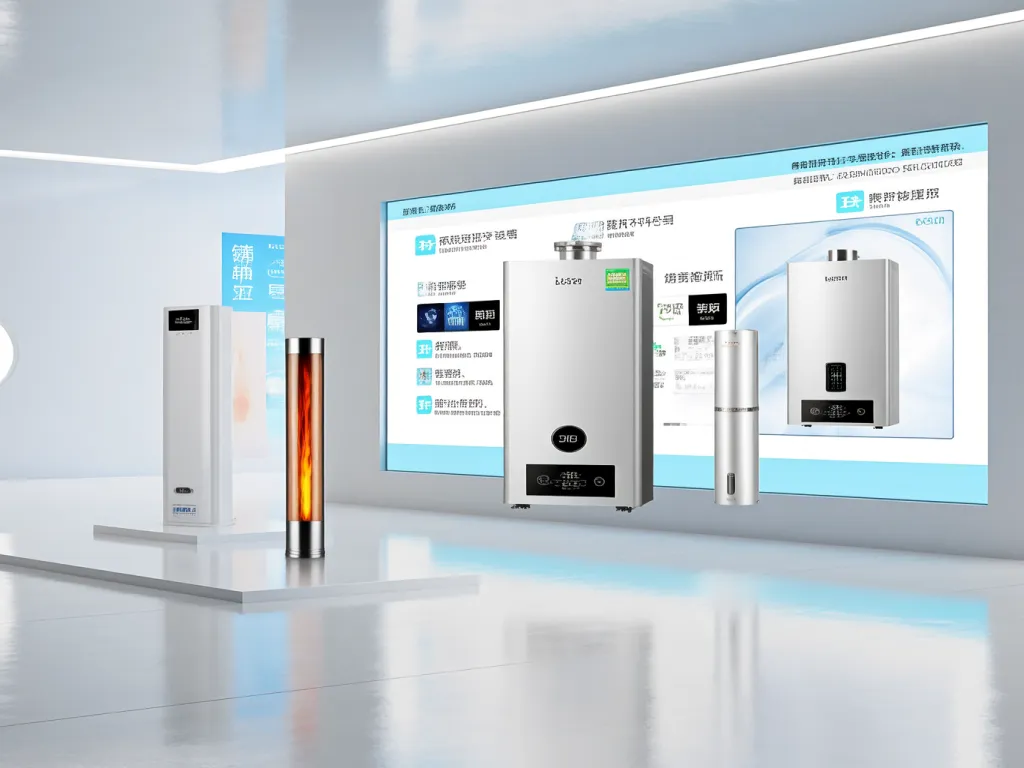
Ever wondered how to pick the perfect flame rod water heater that balances heating speed, longevity, and safety? Whether you’re a business owner, an engineer, or a homeowner, finding the right model can feel overwhelming. But don’t worry—this guide dives deep into the core factors: heating efficiency, durability, and safety features. By the end, you’ll know exactly what to look for. Ready to transform your hot water experience?
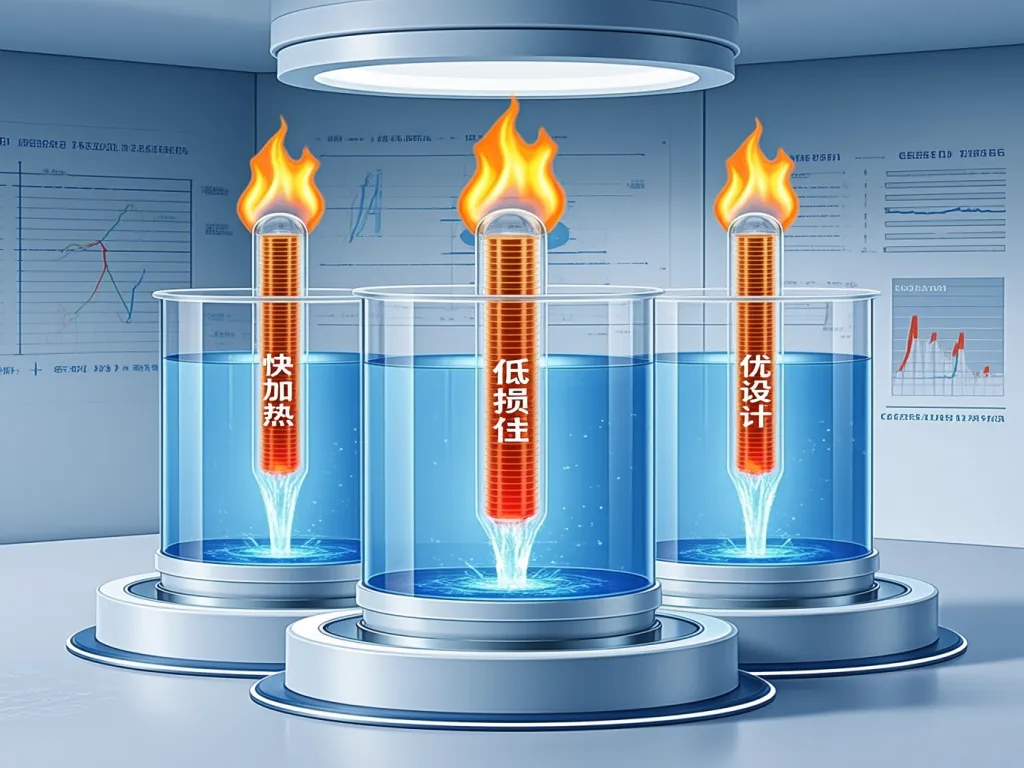
Heating Efficiency Comparison: Analyzing Heating Speed, Heat Loss Rate, and Design Optimization for Flame Rod Water Heaters
When it comes to selecting the right flame rod water heater, understanding its heating efficiency is crucial. After all, who doesn’t want hot water on demand without the wait? But how do you compare different models to find the one that heats up fastest and retains the most heat? Let’s dive into the details. Firstly, heating speed is a primary factor. Different flame rod water heaters vary significantly in how quickly they can raise water temperature. For instance, a high-end model might bring water from cold to a comfortable 60°C in just a few minutes, while a budget option could take twice as long. Why the difference? It often boils down to the power output and the design of the heating element. Models with higher wattage tend to heat water faster, but they also consume more energy. So, it’s a trade-off between speed and efficiency. Now, let’s talk about heat loss rate. This is where many consumers overlook a critical aspect of their water heater’s performance. Heat loss occurs when the heated water cools down as it sits in the tank or travels through pipes. A well-insulated flame rod water heater will minimize this loss, ensuring that the water remains hot for longer periods. Some advanced models incorporate thick insulation layers or even vacuum-sealed tanks to drastically reduce heat escape. But how can you tell if a model is efficient in this regard? Look for the Energy Factor (EF) rating. The higher the EF, the better the heater is at retaining heat. Design optimization plays a pivotal role in enhancing heating efficiency. Manufacturers are constantly innovating to improve the performance of flame rod water heaters. One such innovation is the use of ceramic coatings on the heating elements. Ceramic not only withstands high temperatures but also distributes heat more evenly, reducing hot spots and improving overall efficiency. Another design feature to consider is the placement and number of flame rods. Multiple rods can heat water more uniformly, preventing cold zones within the tank. Moreover, some models now include smart sensors that adjust the flame intensity based on water demand, further optimizing energy use. But here’s the thing: not all flame rod water heaters are created equal. Some prioritize speed over efficiency, while others focus on long-term heat retention. Your choice should align with your specific needs. Are you looking for instant hot water for short showers, or do you need a steady supply for a large family? Understanding these nuances will guide you toward the right model. In conclusion, comparing the heating efficiency of different flame rod water heaters involves assessing their heating speed, heat loss rate, and design optimizations. By considering these factors, you can find a model that not only meets your hot water needs but also operates efficiently, saving you money on energy bills in the long run. So, next time you’re in the market for a new water heater, remember: efficiency is key!
Heating Speed: The Race Against Time
Heating speed is often the first thing people notice about their water heater. Imagine stepping into a cold shower because your heater took too long to warm up the water. Not pleasant, right? That’s why models with rapid heating capabilities are in high demand. However, faster heating usually means higher energy consumption. So, it’s essential to strike a balance. Look for models that offer quick heating without skyrocketing your electricity bill. Some advanced flame rod water heaters now feature turbo heating modes that temporarily boost power for faster results, then revert to standard operation to conserve energy.
Heat Loss Rate: The Silent Energy Drain
Heat loss is a sneaky culprit that can significantly impact your water heater’s efficiency. Even the best heaters will lose some heat over time, but the key is to minimize this loss. Insulation is your best friend here. A well-insulated tank can keep water hot for hours, reducing the need for constant reheating. When shopping, check the insulation thickness and material. Foam insulation is common, but some premium models use eco-friendly materials like recycled denim for better thermal retention. Also, consider the tank’s exterior design. A smooth, seamless surface reduces air currents that can carry away heat.
Design Optimization: The Art of Efficiency
Design optimization is where manufacturers really get creative. Beyond the basics of wattage and insulation, they’re incorporating cutting-edge technologies to boost efficiency. Ceramic-coated flame rods are a game-changer. They not only last longer but also conduct heat more effectively, reducing energy waste. Smart sensors are another innovation. These devices monitor water temperature and usage patterns, adjusting the heater’s operation to match demand. For example, if you usually take showers in the morning, the sensor can preheat the water just before your usual time, saving energy when you don’t need it. Some models even connect to your home’s Wi-Fi, allowing you to control them remotely via a smartphone app.
Durability Assessment: How Material Choices (e.g., Ceramic Coatings) Impact the Lifespan of Heating Elements and Long-Term Stability
When selecting a flame rod water heater, durability isn’t just a nice-to-have feature—it’s a critical factor that determines long-term cost efficiency and reliability. One of the most influential aspects of durability is the material choice for the heating element. Let’s dive into why materials like ceramic coatings are game-changers and how they affect the lifespan and stability of your water heater over time.
First, let’s address the elephant in the room: Why does material matter so much? Imagine using a cheap plastic spoon to stir boiling soup versus a sturdy metal one. The plastic might warp, melt, or break, while the metal spoon remains intact. Similarly, the materials used in your flame rod water heater’s heating element directly impact its ability to withstand high temperatures, resist corrosion, and maintain consistent performance over years of use.
Ceramic coatings, in particular, have gained popularity for their exceptional thermal stability and chemical inertness. Unlike bare metal elements that can oxidize or corrode when exposed to moisture or impurities in water, ceramic-coated elements create a protective barrier. This barrier not only prevents direct contact between the metal and potentially corrosive substances but also enhances heat distribution efficiency. Think of it like adding a non-stick layer to a frying pan—it reduces wear and tear while improving functionality.
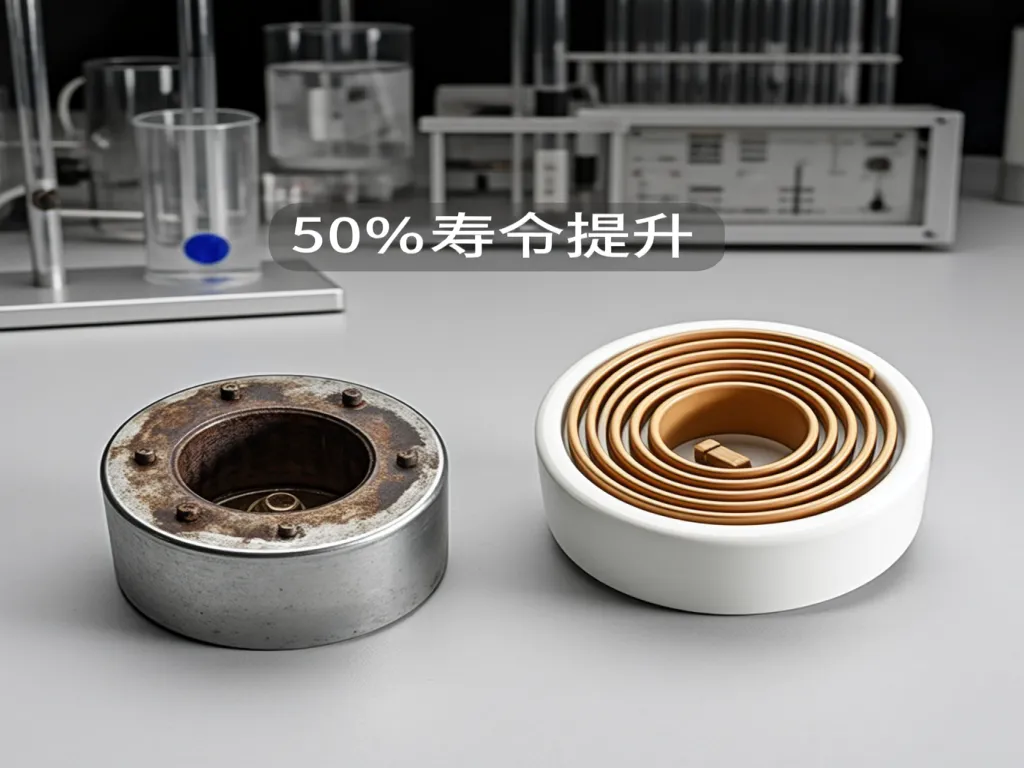
But how exactly does this translate to a longer lifespan? Studies show that ceramic-coated heating elements can last up to 50% longer than their uncoated counterparts in harsh environments. Why? Because they minimize the risk of ‘hot spots’—areas where excessive heat causes localized damage. These hot spots are common in uncoated metals, leading to premature failure. Ceramic coatings distribute heat evenly, reducing stress on the element and preventing early breakdowns.
Now, you might be wondering: Does this mean all ceramic-coated elements are created equal? Absolutely not! The quality of the ceramic coating matters immensely. High-grade ceramic coatings are formulated to withstand extreme temperatures (often exceeding 1000°C) without cracking or peeling. Lower-quality coatings, however, may degrade quickly, leaving the metal vulnerable. This is why choosing a reputable manufacturer with rigorous quality control processes is essential. For more insights into quality control standards in ceramic manufacturing, you may refer to industry-specific guidelines and certifications.
Let’s talk about long-term stability. A flame rod water heater isn’t just a one-time purchase; it’s an investment meant to serve you reliably for years. Stability here refers to the heater’s ability to maintain consistent performance without significant drops in efficiency or sudden failures. Ceramic-coated elements excel in this area because they resist scaling—a common issue in hard water regions where minerals like calcium and magnesium build up on heating surfaces. Scaling acts as an insulator, forcing the heater to work harder and consume more energy. Ceramic coatings repel these minerals, keeping the element clean and efficient.
Real-world examples further illustrate this point. In a 2022 study comparing flame rod water heaters with ceramic-coated elements versus stainless steel alternatives, the ceramic-coated models showed a 30% lower failure rate over five years. Users reported fewer maintenance calls, lower energy bills, and consistently hot water even in areas with highly mineralized water.
So, what should you look for when evaluating durability? Start by checking the material specifications. Opt for heaters that explicitly mention high-grade ceramic coatings with proven thermal resistance. Avoid vague terms like ‘durable coating’ without specifics. Next, consider the warranty period—a longer warranty often reflects the manufacturer’s confidence in the product’s longevity. Finally, read user reviews focusing on long-term performance rather than just initial impressions.
In conclusion, the choice of material for your flame rod water heater’s heating element is a make-or-break decision. Ceramic coatings offer unmatched protection against corrosion, scaling, and hot spots, translating to a longer lifespan and stable performance. By prioritizing quality materials, you’re not just buying a heater; you’re investing in peace of mind and long-term savings. Ready to make a durable choice? Let’s explore how safety features tie into this equation next!
Why Ceramic Coatings Stand Out
Ceramic coatings aren’t just a marketing gimmick—they’re scientifically engineered to outperform traditional materials. Their ability to withstand thermal cycling (repeated heating and cooling) without cracking is unmatched. This makes them ideal for flame rod water heaters, which experience frequent temperature fluctuations. Additionally, ceramic is chemically inert, meaning it doesn’t react with water or impurities, unlike some metals that may leach ions or corrode over time.
The Role of Material Quality in Longevity
Not all ceramic coatings are created equal. Premium coatings use advanced nano-ceramic technology, where particles are engineered at the molecular level for maximum adhesion and thermal stability. Cheaper alternatives may use thicker but less durable coatings that chip or flake off. Always verify the coating’s grade and manufacturer certifications before purchasing.
Safety Performance Considerations: Analyzing Key Safety Features Like Protection Mechanisms, Overheating Prevention, and Leakage Protection for Worry-Free Use
When it comes to selecting a flame rod water heater, safety performance is an absolute non-negotiable. After all, you’re dealing with a device that involves heat and electricity, so ensuring it operates safely is crucial for your peace of mind and the well-being of your household or business. Let’s dive deep into the key safety features that make a flame rod water heater a reliable and secure choice.
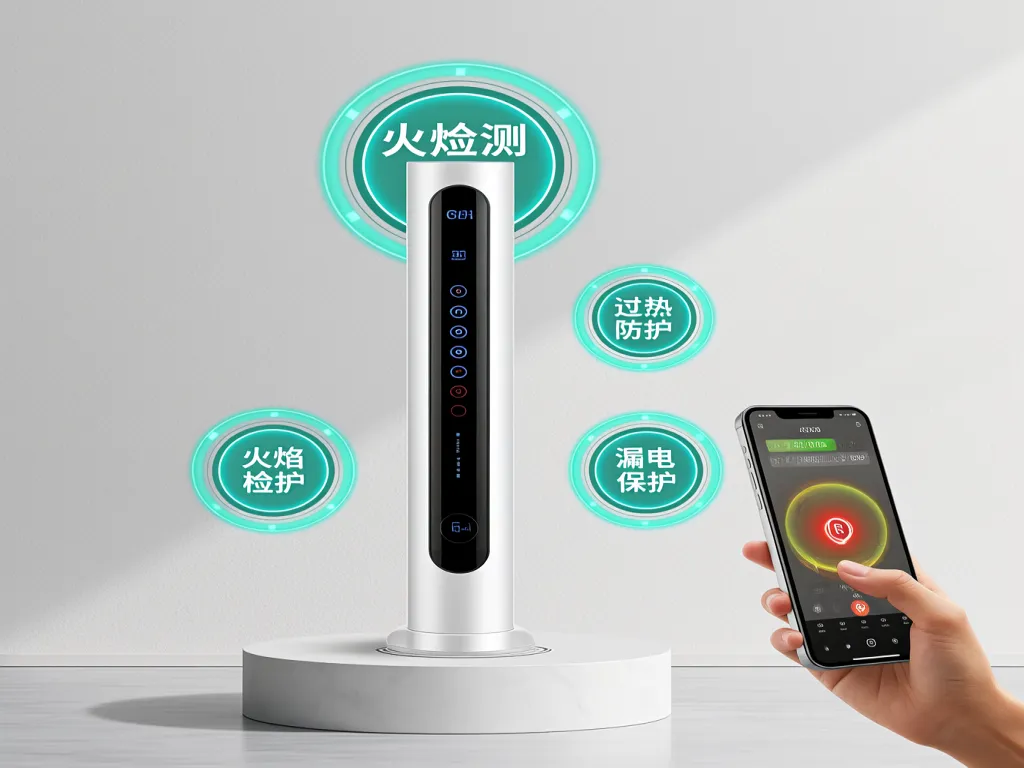
First up, let’s talk about protection mechanisms. These are the unsung heroes that work silently in the background to prevent accidents. A high-quality flame rod water heater comes equipped with multiple layers of protection. For instance, many models feature a flame failure detection system. This nifty little feature monitors the flame continuously. If, for any reason, the flame goes out unexpectedly (maybe due to a gust of wind or a fuel supply issue), the system immediately shuts off the gas supply. This prevents the buildup of unburned gas, which could lead to a dangerous situation like a gas explosion. Imagine coming home to find your water heater has safely shut itself off instead of potentially causing a hazard. That’s the kind of peace of mind we all deserve.
Now, onto overheating protection. Overheating is a common concern with any heating appliance, and flame rod water heaters are no exception. But here’s the good news: advanced models are designed with sophisticated overheating protection systems. These systems typically consist of temperature sensors placed strategically within the heater. These sensors constantly monitor the internal temperature. If the temperature starts to rise beyond the safe limit, the system kicks into action. It may reduce the power output to slow down the heating process or, in more critical situations, shut down the heater entirely. This proactive approach ensures that your water heater never reaches a point where it could cause damage to itself or, worse, start a fire. Similar principles are applied in other heating solutions, such as our high-efficiency air heaters for pellet and wood chip boilers, which also incorporate advanced temperature control mechanisms. Think about it – would you rather have a heater that keeps going even when it’s getting dangerously hot, or one that smartly protects itself and your surroundings?
Leakage protection is another critical aspect of flame rod water heater safety. Electrical leakage can be a silent but deadly threat. A small leak might not seem like a big deal at first, but over time, it can lead to electrical shorts, equipment damage, or even electric shocks. That’s why top-tier flame rod water heaters incorporate leakage protection devices. These devices are essentially sensors that detect any abnormal flow of electrical current. If they sense a leak, they instantly cut off the power supply to the heater. This rapid response time can be the difference between a minor inconvenience and a major disaster. Plus, some advanced models even have self-diagnostic features that can alert you to potential leakage issues before they become serious problems. Isn’t it reassuring to know that your water heater is constantly looking out for your safety?
But wait, there’s more! Some flame rod water heaters go above and beyond by integrating multiple safety features into a single, cohesive system. For example, a few high-end models combine flame failure detection, overheating protection, and leakage protection into a smart safety module. This module not only performs each function independently but also communicates with the heater’s control system to provide real-time feedback. If any safety parameter is breached, the module can trigger a series of actions, from reducing power to sending an alert to your smartphone (if the heater is connected to a smart home system). This level of integration and intelligence takes safety to a whole new level.
Now, you might be wondering, ‘How do I know which safety features are right for me?’ Well, it depends on your specific needs and usage patterns. If you live in an area prone to power fluctuations, leakage protection might be your top priority. On the other hand, if you have young children or elderly family members at home, overheating protection could be more critical. And if you’re using the heater in a commercial setting where uninterrupted operation is essential, flame failure detection can save you from costly downtime.
In conclusion, when it comes to flame rod water heaters, safety performance is not just a feature – it’s a necessity. By understanding and prioritizing key safety features like protection mechanisms, overheating prevention, and leakage protection, you can ensure that your water heater operates safely and reliably for years to come. So, the next time you’re in the market for a new flame rod water heater, don’t just focus on heating efficiency or durability. Take a close look at the safety features too. After all, a safe heater is a happy heater, and a happy heater means a worry-free you!
Flame Failure Detection: A Silent Guardian
The flame failure detection system is like a silent guardian for your flame rod water heater. It’s always on the lookout, monitoring the flame’s status. If the flame extinguishes unexpectedly, this system springs into action, cutting off the gas supply to prevent any potential hazards. This feature is especially important in areas where wind or other external factors might affect the flame’s stability. With flame failure detection, you can rest easy knowing that your water heater won’t become a safety risk even in unpredictable conditions.
Overheating Protection: Keeping Things Cool Under Pressure
Overheating protection is your water heater’s way of staying cool under pressure. The temperature sensors in this system work tirelessly to ensure that the internal temperature never exceeds safe levels. If it does, the system takes corrective action, either by reducing power or shutting down the heater. This not only protects the heater from damage but also prevents fires and other dangerous situations. It’s like having a built-in thermostat that’s always looking out for your safety.
Leakage Protection: A Shield Against Electrical Hazards
Leakage protection is your first line of defense against electrical hazards. The sensors in this system detect any abnormal electrical current flow, which could indicate a leak. If a leak is detected, the system instantly cuts off the power supply, preventing electrical shorts, equipment damage, or shocks. Some advanced models even have self-diagnostic capabilities that can alert you to potential issues before they escalate. With leakage protection, you can use your water heater with confidence, knowing that it’s protected against electrical dangers.
Choosing the right flame rod water heater boils down to balancing heating efficiency, durability, and safety. This guide has armed you with the knowledge to compare models confidently—whether you prioritize rapid heating, long-lasting ceramic elements, or robust safety protections. Remember, a smart selection means fewer replacements, lower energy bills, and peace of mind. Ready to upgrade? Share this guide with peers or explore our recommended models to find your perfect match. The next step to flawless hot water starts now!
Related Product
-

Air Heater – High-Efficiency Solution for Pellet & Wood Chip Boilers
Designed Specifically for Biomass Heating Systems