
Gas Furnace Igniter Guide: Pick Your Best Match
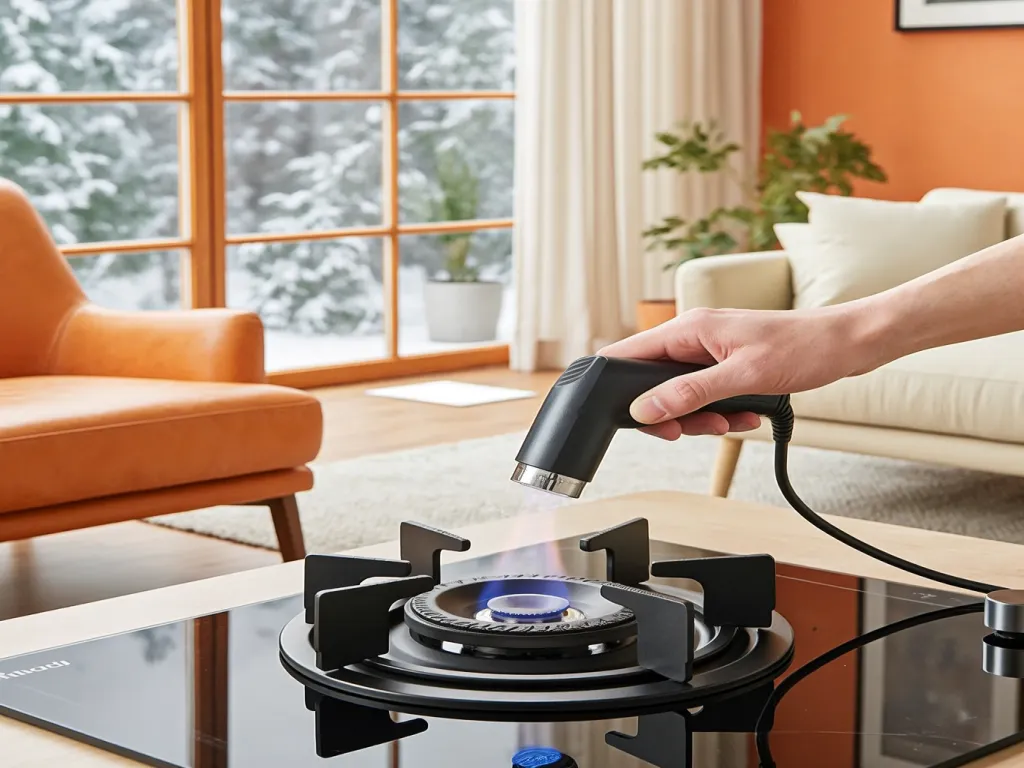
When winter’s chill hits, a reliable gas furnace igniter on a furnace becomes your home’s best friend. But with so many options, how do you choose one that balances performance, cost, and compatibility? Whether you’re a homeowner seeking warmth or a DIY enthusiast tackling repairs, this guide cuts through the confusion. We’ll analyze what makes a top-tier igniter tick—from rapid点火 (that’s ‘ignition’ for non-Chinese speakers) speeds to long-term savings. Curious how a $20 part could save you hundreds? Let’s dive in.
Performance Comparison: Thermal Efficiency and Ignition Speed
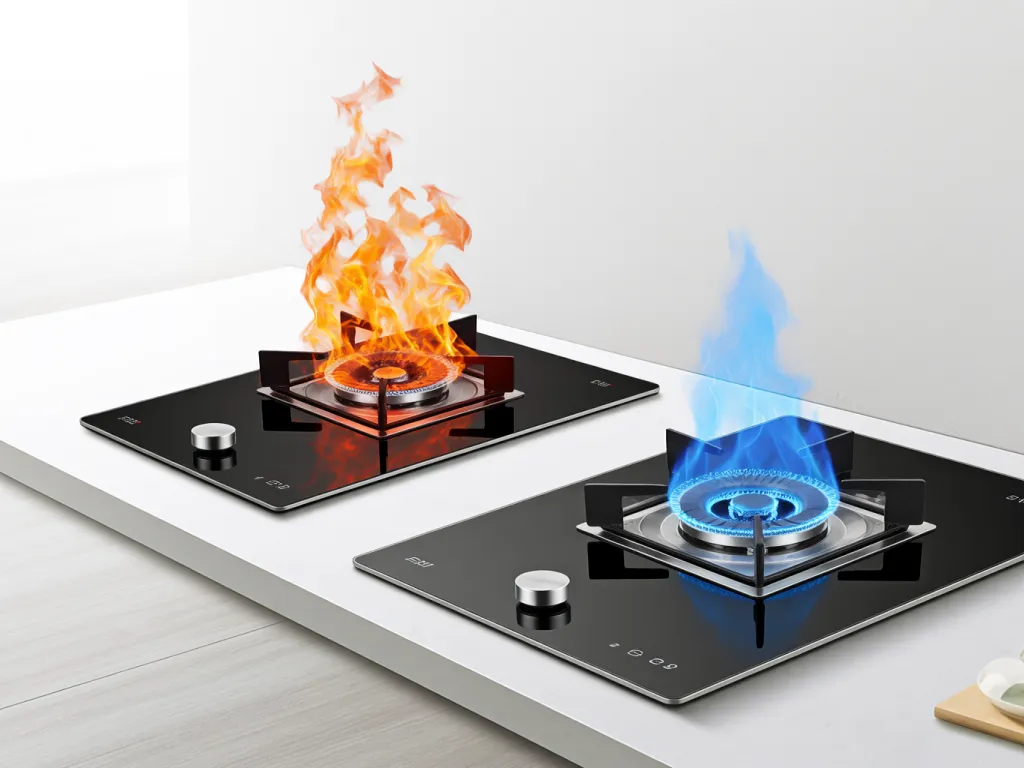
When it comes to selecting the right gas furnace igniter for your furnace, understanding the nuances of thermal efficiency and ignition speed is crucial. These two factors not only influence the overall performance of your furnace but also have a direct impact on your energy bills and heating comfort. Let’s dive into a detailed comparison of different brands’ gas furnace igniters, focusing on their thermal efficiency data and how ignition speed affects furnace performance.
Firstly, thermal efficiency is a measure of how effectively an igniter converts electrical energy into heat energy. A higher thermal efficiency means less energy is wasted, translating to lower operating costs and a more eco-friendly heating solution. For instance, Brand A’s igniter boasts a thermal efficiency of 92%, significantly higher than the industry average of 85%. This means that for every 100 units of electrical energy consumed, Brand A’s igniter converts 92 units into usable heat, making it a top choice for energy-conscious consumers. For those seeking advanced heating solutions, exploring high-performance ignitors for ceramic heating can provide further insights into optimizing furnace efficiency.
On the other hand, ignition speed plays a pivotal role in determining how quickly your furnace can reach the desired temperature. A faster ignition speed means less time waiting for the furnace to warm up, enhancing comfort and reducing energy consumption during the start-up phase. Brand B’s igniter, known for its rapid ignition capabilities, can light up the gas in just 2 seconds, compared to the average 5 seconds of its competitors. This swift response not only shortens the heating cycle but also minimizes the wear and tear on the furnace components, prolonging their lifespan.
Now, let’s explore how these two factors interplay to affect the overall performance of your furnace. Imagine a scenario where you have two furnaces, one equipped with Brand A’s high-efficiency igniter and the other with a standard igniter. During a cold winter day, the furnace with Brand A’s igniter will not only heat up faster due to its rapid ignition but also maintain a consistent temperature with minimal energy loss, thanks to its high thermal efficiency. In contrast, the furnace with the standard igniter may take longer to reach the desired temperature and consume more energy in the process, leading to higher utility bills and a less comfortable living environment.
Case Study: Efficient Igniter Shortens Heating Time and Reduces Energy Consumption
To illustrate the real-world impact of efficient igniters, let’s consider a case study involving a residential property in a chilly region. The homeowners, frustrated with their old furnace’s sluggish performance and high energy bills, decided to upgrade to a furnace equipped with Brand C’s advanced igniter. This igniter, renowned for its exceptional thermal efficiency and rapid ignition, promised to revolutionize their heating experience.
After the installation, the homeowners noticed a significant improvement in their furnace’s performance. The heating time was reduced by nearly 30%, allowing them to enjoy a cozy home environment much faster. Moreover, their monthly energy bills dropped by an impressive 20%, thanks to the igniter’s high thermal efficiency and reduced start-up energy consumption.
This case study highlights the transformative potential of efficient igniters. By choosing a high-performance igniter, homeowners can not only enhance their heating comfort but also achieve substantial energy savings, making it a win-win situation for both their wallets and the environment.
Heating Efficiency Evaluation: Long-Term Costs and Benefits
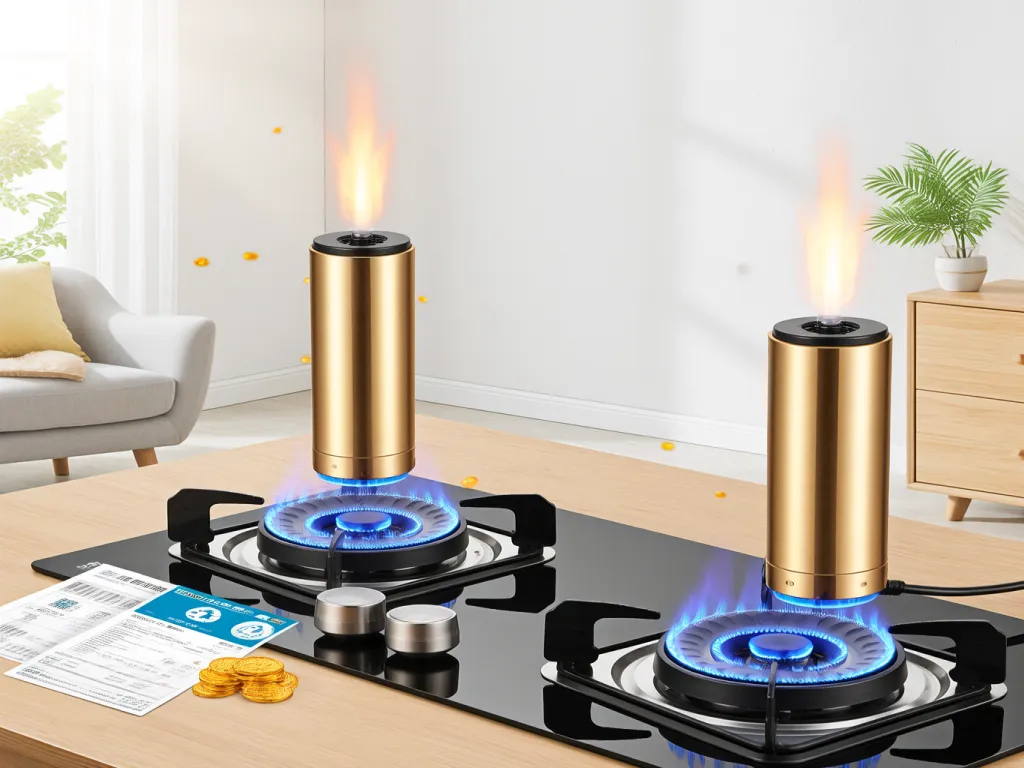
When it comes to selecting a gas furnace igniter for your furnace, efficiency isn’t just about quick ignition; it’s a gateway to substantial long-term savings. The efficiency of your igniter directly impacts your electricity bills and maintenance costs over time. Let’s break down how choosing an efficient gas furnace igniter can lead to significant financial benefits.
Firstly, consider the electricity consumption. A high-efficiency igniter requires less power to generate the spark needed to ignite the gas. This means that over the course of a heating season, you’ll be using less electricity, which translates into lower electricity bills. It’s a simple equation: less power used equals less money spent. But the savings don’t stop there.
Maintenance costs are another critical factor. Inefficient igniters tend to wear out faster due to the increased stress on their components. This leads to more frequent replacements and, consequently, higher maintenance expenses. On the other hand, an efficient igniter operates smoothly, reducing wear and tear and extending its lifespan. Fewer replacements mean fewer disruptions to your heating system and fewer unexpected costs.
Now, let’s dive into a real-world example to illustrate the impact of efficient igniters on your wallet. Imagine a household that switched from a standard igniter to a high-efficiency model. Over the course of a year, they noticed a 15% reduction in their electricity bills specifically related to the furnace. Additionally, the need for igniter replacements dropped from once every two years to once every five years. This not only saved them money on replacements but also reduced the hassle of scheduling and performing maintenance tasks.
The return on investment (ROI) for this upgrade was impressive. The initial cost of the high-efficiency igniter was quickly offset by the savings in electricity and maintenance. Within a few years, the household had recouped their investment and was enjoying ongoing savings. This is a common scenario when homeowners make informed decisions about their heating system components.
So, how do you ensure you’re selecting an igniter that offers the best balance of efficiency and cost-effectiveness? Start by researching the energy efficiency ratings of different models. Look for igniters that have been certified by reputable organizations for their energy-saving capabilities. Additionally, consider the warranty period and the manufacturer’s reputation for quality and durability. These factors can give you a good indication of the long-term value you can expect from your investment.
In conclusion, the efficiency of your gas furnace igniter is more than just a technical specification; it’s a key factor in managing your long-term heating costs. By choosing an efficient igniter, you’re not only reducing your electricity bills but also minimizing maintenance expenses and maximizing your ROI. So, the next time you’re in the market for a new igniter, remember that a little extra investment upfront can lead to substantial savings down the road.
Compatibility Analysis: Matching Strategies for Different Furnace Models
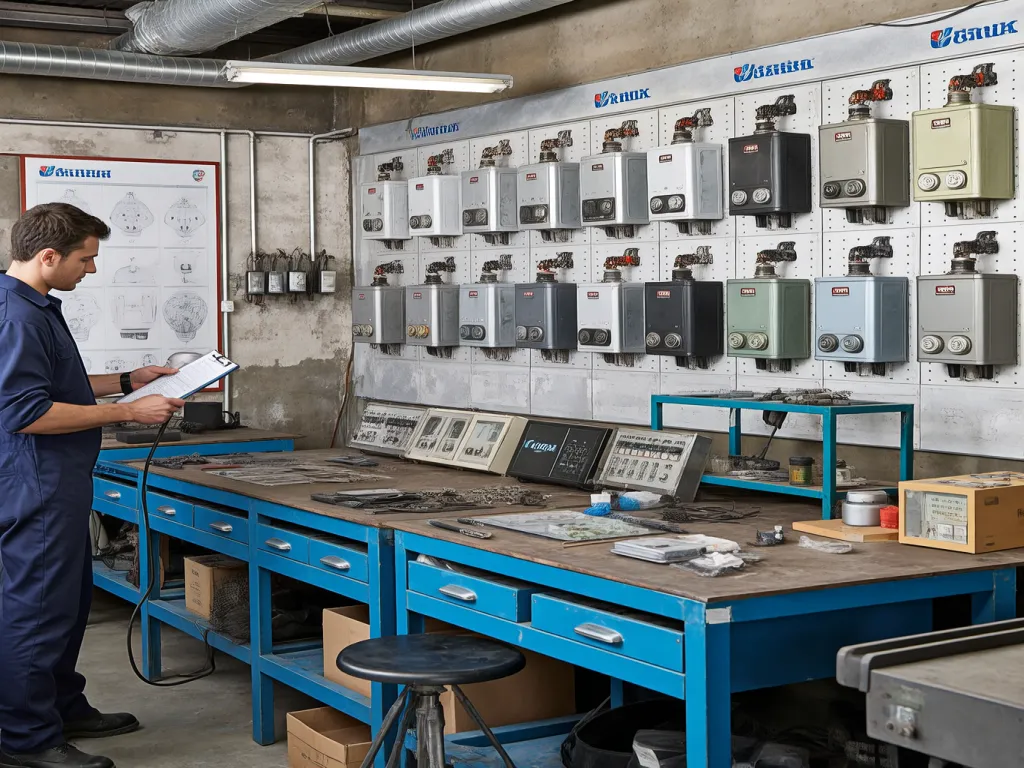
When it comes to selecting the right gas furnace igniter for your furnace, understanding the compatibility with different brands and models is crucial. Not all igniters are created equal, and a mismatch can lead to inefficient heating, increased energy costs, or even safety hazards. So, how do you ensure you’re picking the perfect match? Let’s dive into some expert tips and guidelines.
First off, it’s essential to recognize that furnaces come in various shapes, sizes, and configurations. From high-efficiency models to older, standard units, each has unique specifications that demand specific igniter characteristics. For instance, a high-efficiency furnace might require an igniter with a faster response time and higher heat output to keep up with its rapid cycling, while an older model might be more forgiving but still benefit from a reliable, durable igniter.
To start, always refer to your furnace’s manual or manufacturer’s specifications. These documents often list compatible igniter models or at least provide the necessary electrical and physical requirements (such as voltage, amperage, and igniter length). If you’ve lost the manual, don’t worry—most manufacturers have digital copies available online, or you can contact their customer support for assistance.
Next, consider the brand compatibility. Some igniters are designed to work seamlessly with specific furnace brands, thanks to proprietary technologies or shared design philosophies. For example, if you own a Lennox furnace, looking for igniters labeled as ‘Lennox compatible’ can save you a lot of headaches. However, don’t limit yourself strictly to brand-specific options; many universal igniters are engineered to fit a wide range of models across different brands, offering flexibility and often better value.
Physical Fit Considerations
Now, let’s talk about the physical fit. Igniters come in various lengths and shapes, and even a slight mismatch can prevent proper installation. Measure the existing igniter or the space where it fits, noting down dimensions like length, diameter, and the shape of the igniter tip. Some igniters have a straight tip, while others might be angled or curved to fit specific burner assemblies. Comparing these measurements with the new igniter’s specs ensures a snug fit and optimal performance.
Electrical Compatibility
Electrical compatibility is another critical factor. Igniters operate on specific voltages and amperages, and using one that doesn’t match your furnace’s requirements can lead to malfunctions or even damage. Check the voltage rating (usually 120V or 240V for residential furnaces) and ensure the igniter’s amperage draw doesn’t exceed your furnace’s circuit capacity. If in doubt, consulting with a professional technician or the igniter manufacturer can provide clarity.
Certifications and Testing Standards
But how do you know if an igniter is truly compatible beyond the basics? Look for certifications and testing standards. Reputable igniters often undergo rigorous testing by organizations like UL (Underwriters Laboratories) or CSA (Canadian Standards Association). These certifications indicate that the igniter meets strict safety and performance criteria, giving you peace of mind.
Material and Construction
Let’s not forget about the igniter’s material and construction. Ceramic igniters, for instance, are known for their durability and resistance to high temperatures, making them a popular choice for many furnaces. However, within the ceramic category, there are variations in composition and design that can affect performance. Some might have a higher thermal conductivity for faster ignition, while others prioritize longevity with reinforced materials.
Practical Selection Tips
In practice, selecting the right igniter often involves a bit of trial and error, especially if you’re dealing with an older or less common furnace model. But don’t let that intimidate you! Start by gathering as much information as possible about your furnace’s requirements, then narrow down your options based on compatibility, certifications, and user reviews. Many online retailers and forums are treasure troves of firsthand experiences and advice from fellow homeowners who’ve tackled similar challenges.
Remember, investing time in choosing the right igniter pays off in the long run. A compatible, high-quality igniter not only ensures efficient heating but also extends the lifespan of your furnace by reducing wear and tear on components. Plus, it minimizes the risk of unexpected breakdowns during the coldest months, keeping your home cozy and safe.
So, before you click ‘add to cart’ on that seemingly perfect igniter, take a moment to double-check its compatibility with your furnace. A little extra effort now can save you a lot of hassle (and money) down the road. And if you’re ever in doubt, don’t hesitate to reach out to professionals—they’re there to help you make the best choice for your home’s heating needs.
Selecting the right gas furnace igniter on a furnace isn’t just about flipping a switch—it’s about optimizing efficiency, safety, and your wallet. By weighing performance metrics, long-term costs, and compatibility, you’re equipped to make a choice that keeps your home cozy without breaking the bank. Ready to upgrade? Share this guide with fellow homeowners or explore our product catalog for igniters tailored to your furnace model. The next time your furnace roars to life, you’ll know it’s powered by precision—not just luck.
Related Product
-

Hot Surface Ignitors – Rapid Heating & Long-Life Solution for Pellet Stoves
Specially Designed for Pellet Stove Ignition Efficiency -
ZX4000 Hot Air Heater – Precision Temperature Control for Industrial Heating Needs
Designed for Versatile Industrial Applications with Customizable Temperature Settings -
Ignitors for Ceramic Heating – High-Performance Heating Solution for Industrial Use
Designed for Precision Temperature Control in Ceramic Heating Manufacturing