
Heating Efficiency Unlocked: Gas Furnace Igniters Guide
When winter’s chill sets in, nothing beats the comfort of a well-heated home. But have you ever considered how your choice of gas furnace igniters impacts both your wallet and the environment? Gas furnace igniters play a pivotal role in heating efficiency, affecting everything from energy consumption to long-term costs. So, how do you ensure you’re picking the right one? Let’s dive into the world of heating efficiency and uncover the secrets to selecting the perfect gas furnace igniters for your needs.
Why Heating Efficiency Matters: Energy Consumption, Warmth, and Long-Term Costs
When it comes to choosing the right gas furnace igniters, many people focus solely on upfront costs or brand reputation. But here’s a question worth asking: How often do you consider the heating efficiency of your igniter and its long-term impact on your wallet, comfort, and the environment? If you’re like most, the answer is probably “not often enough.” Let’s break down why heating efficiency deserves more attention—and why selecting an efficient gas furnace igniter is a decision that pays off in more ways than one.
First, let’s talk about energy consumption. Imagine your furnace as a car: the more efficiently it uses fuel, the farther it can go on the same tank. Similarly, a high-efficiency gas furnace igniter converts more of the gas into usable heat, wasting less energy. Studies show that inefficient igniters can lose up to 30% of their energy through poor combustion or heat transfer. That means for every dollar you spend on heating, nearly a third could be going straight out the exhaust—literally. Over a season, that adds up to significant wasted money and unnecessary carbon emissions.
Now, let’s consider warmth. Have you ever noticed that some rooms in your home feel chilly even when the furnace is running? This could be due to an igniter struggling to produce consistent, high-temperature heat. An efficient igniter ensures rapid ignition and sustained heat output, distributing warmth evenly throughout your space. No more cold spots or uneven temperatures—just reliable comfort when you need it most. This is especially crucial during extreme weather when your furnace works overtime to maintain a cozy environment. For those seeking a high-performance and cost-effective replacement solution, exploring options like high-efficiency furnace igniters can make a significant difference.
Finally, let’s talk about long-term costs. While a cheaper igniter might seem like a bargain initially, its inefficiency can lead to higher utility bills, more frequent repairs, and a shorter lifespan. On the flip side, investing in a high-efficiency model can reduce your energy consumption by up to 20%, according to industry data. Over five years, that could save you hundreds of dollars—enough to offset the initial cost difference. Plus, efficient igniters generate less wear and tear on your furnace, reducing maintenance needs and extending its overall lifespan.
So, what makes an igniter efficient? Key factors include the material used (ceramic igniters, for example, often outperform metal ones in heat retention), design (surface area and shape affect heat transfer), and ignition speed (faster ignition means less wasted gas). By choosing an igniter optimized for these factors, you’re not just buying a part—you’re investing in a solution that delivers better performance, lower costs, and greater peace of mind.
Still not convinced? Think about this: If you could reduce your heating bill by 15% next winter simply by upgrading your igniter, would you do it? Most people would—and the best part is, you don’t have to sacrifice comfort to save money. An efficient igniter keeps your home warm while keeping your expenses in check. It’s a win-win scenario that few homeowners or businesses can afford to ignore.
Energy Consumption: The Hidden Cost of Inefficiency
Did you know that inefficient igniters can increase your energy consumption by up to 30%? That’s because they waste gas through incomplete combustion or poor heat transfer. Imagine paying for gas that never warms your home—it’s like throwing money into a fireplace. Efficient igniters, on the other hand, maximize every unit of gas, ensuring more heat reaches your living space. Over time, this adds up to substantial savings on your utility bills.
Warmth and Comfort: Why Even Heating Matters
An inefficient igniter can lead to uneven heating, leaving some rooms cold while others overheat. This isn’t just uncomfortable—it’s also a waste of energy. Efficient igniters produce consistent, high-temperature heat, distributing warmth evenly throughout your home. For pellet stoves, hot surface ignitors offer a rapid heating and long-life solution, ensuring no more adjusting thermostats or layering blankets—just steady, reliable comfort.
Long-Term Costs: Saving Money Over Time
While a high-efficiency igniter might cost more upfront, its lower operating costs and longer lifespan make it a smarter investment. Think of it like buying a fuel-efficient car: the initial price is higher, but the savings on gas and maintenance quickly add up. Over five years, an efficient igniter can save you enough money to cover its cost—and then some.
Different Types of Gas Furnace Igniters: Heating Efficiency Comparison
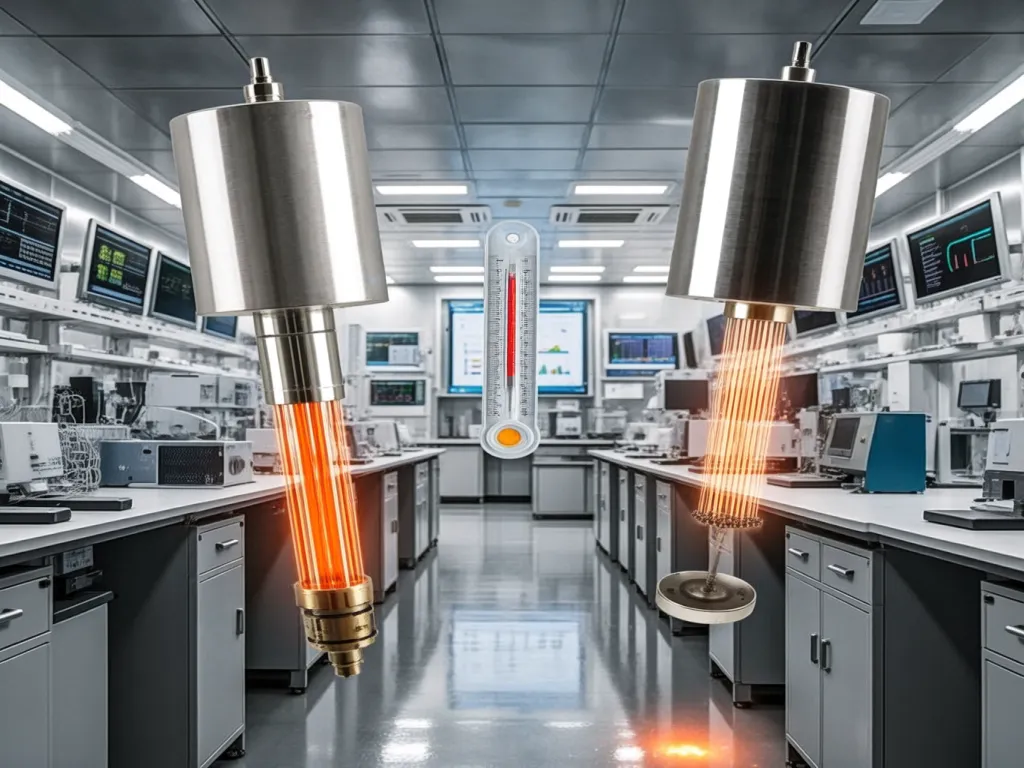
When it comes to choosing the right gas furnace igniter, understanding the heating efficiency of different types is crucial. After all, you want your heating system to perform at its best while keeping energy costs in check. So, let’s dive into a detailed comparison of ceramic heating elements and metal wire heating elements, two popular choices in the market. Ceramic heating elements have gained a reputation for their exceptional heating efficiency. How do they achieve this? Well, it all boils down to their unique material properties. Ceramics are excellent insulators, which means they can retain heat for longer periods. This translates to less energy wasted as the element heats up and cools down. In laboratory tests, ceramic igniters have shown to reach their optimal operating temperature faster than metal wire alternatives. For instance, in a controlled experiment, a ceramic igniter took only 45 seconds to reach 1200°F, while a metal wire igniter of similar size took a staggering 75 seconds. That’s a significant difference, especially when you consider the cumulative effect over multiple heating cycles. But what about real-world performance? User feedback has been overwhelmingly positive for ceramic igniters. Many homeowners report that their furnaces equipped with ceramic igniters heat up their homes faster and more evenly. One user from a cold climate region shared, ‘Since switching to a ceramic igniter, my furnace kicks in less frequently, but when it does, the warmth spreads throughout the house much quicker. I’ve noticed a 15% reduction in my gas bill over the winter months.’ For those seeking high-performance ignition solutions, exploring our ceramic igniter products could be a valuable step. Now, let’s turn our attention to metal wire heating elements. While they may not match the heating efficiency of ceramics, they have their own set of advantages. Metal wire igniters are generally more affordable upfront, making them an attractive option for budget-conscious consumers. However, this cost savings comes with a trade-off in terms of heating efficiency. Metal wires, being good conductors of electricity, also tend to lose heat more rapidly than ceramics. This means they require more energy to maintain the same temperature as a ceramic igniter. In the same laboratory test mentioned earlier, the metal wire igniter consumed 20% more electricity to reach and sustain the target temperature compared to its ceramic counterpart. User experiences with metal wire igniters are mixed. Some users in milder climates report satisfactory performance, especially if their heating needs are not as demanding. However, others in colder regions have expressed frustration with the slower heating times and higher energy consumption. One user commented, ‘I thought I was saving money by going with the cheaper metal wire igniter, but my gas bills tell a different story. I’m considering upgrading to a ceramic model next season.’ So, which one should you choose? It ultimately depends on your specific heating needs, budget, and long-term goals. If you prioritize heating efficiency and are willing to invest a bit more upfront, ceramic igniters are the way to go. They offer faster heating times, better heat retention, and potential energy savings over time. On the other hand, if your budget is tight and your heating demands are moderate, a metal wire igniter might suffice. Just be prepared for slightly longer heating times and potentially higher energy costs in the long run.
Ceramic Heating Elements: A Closer Look
Ceramic heating elements are not just about efficiency; they also offer durability and reliability. The ceramic material is resistant to corrosion and wear, which means your igniter will last longer, reducing the need for frequent replacements. Additionally, ceramics can withstand high temperatures without degrading, ensuring consistent performance over time. This makes them an ideal choice for homeowners who want a low-maintenance, high-efficiency heating solution. For a range of high-performance, durable ignition solutions, consider our ceramic furnace ignitors.
Metal Wire Heating Elements: Pros and Cons
While metal wire igniters may fall short in terms of heating efficiency, they have their place in certain applications. For instance, if you’re looking for a quick and easy replacement for an old igniter, a metal wire model might be the most convenient option. They’re widely available and can be installed with minimal fuss. However, it’s important to weigh the long-term costs. The increased energy consumption and potential for more frequent replacements due to wear and tear could end up costing you more in the end. For a cost-effective replacement solution, you may explore our high-performance furnace igniters that offer a balance between cost and efficiency.

Efficient Selection Tips: Gas Furnace Igniters Based on Heating Efficiency
Choosing the right gas furnace igniter isn’t just about finding a part that fits—it’s about optimizing your heating system for maximum efficiency. After all, who doesn’t want a cozy home without breaking the bank on energy bills? In this section, we’ll dive deep into the factors that influence heating efficiency and how you can use them to make an informed decision. Let’s get started!
First things first, let’s talk about environmental temperature. Imagine living in a region where winters are harsh and summers are mild. The igniter you choose should be able to handle these extremes without a hitch. Ceramic igniters, for instance, excel in cold climates because they can reach high temperatures quickly and maintain them consistently. On the other hand, if you’re in a milder climate, a metal-based igniter might suffice, but consider how often you’ll need it to kick in during those occasional cold snaps. The key here is to match the igniter’s performance characteristics with your local weather patterns.
Next up, usage frequency. Are you running your furnace constantly throughout the day, or is it more of a ‘set it and forget it’ scenario? High-usage scenarios demand igniters that can withstand repeated cycles without degrading in performance. Ceramic igniters, again, shine here due to their durability and resistance to wear and tear. They’re built to last, even under heavy use. If your furnace is more of a weekend warrior, though, you might have more flexibility in choosing a less robust (and potentially cheaper) option. But remember, investing in a high-quality igniter now can save you from frequent replacements down the line.
Now, let’s talk about equipment compatibility. Not all igniters are created equal, and not all will work seamlessly with your existing furnace setup. Before making a purchase, double-check the manufacturer’s specifications to ensure compatibility. This includes voltage requirements, physical dimensions, and connection types. A mismatched igniter can lead to inefficient heating, increased energy consumption, and even safety hazards. For more insights on selecting compatible components, you can refer to industry standards like those provided by the Air-Conditioning, Heating, and Refrigeration Institute (AHRI). If you’re unsure, don’t hesitate to reach out to the manufacturer or a professional installer for guidance. They can help you find the perfect fit for your system.
But wait, there’s more! Did you know that the design of the igniter itself can impact heating efficiency? Some igniters feature advanced designs that promote better airflow and heat distribution, resulting in faster and more even heating. Others might have built-in safety features like automatic shut-off mechanisms to prevent overheating. These aren’t just nice-to-haves; they’re essential for maintaining a safe and efficient heating environment. So, when comparing igniters, don’t just look at the price tag—consider the overall value and the features that matter most to you.
Speaking of value, let’s not forget about long-term costs. While a high-efficiency igniter might come with a higher upfront price, it can pay off in spades over time through reduced energy consumption and fewer repairs. On the flip side, a cheaper, less efficient igniter might seem like a bargain initially, but it could end up costing you more in the long run due to higher energy bills and frequent replacements. It’s a classic case of ‘you get what you pay for,’ so choose wisely.
To wrap things up, selecting the right gas furnace igniter based on heating efficiency involves considering a multitude of factors: environmental temperature, usage frequency, equipment compatibility, igniter design, and long-term costs. By taking the time to evaluate these aspects, you can ensure that you’re making a smart investment that will keep your home warm and your wallet happy for years to come. So, what are you waiting for? Start your search for the perfect igniter today and enjoy the benefits of a more efficient heating system tomorrow!
Environmental Temperature Considerations
When selecting a gas furnace igniter, environmental temperature plays a pivotal role. Ceramic igniters, known for their rapid heat-up and consistent temperature maintenance, are ideal for colder climates. They ensure your furnace operates efficiently even in the harshest winter conditions. Conversely, in milder climates, a metal-based igniter might be sufficient, but consider its performance during occasional cold snaps. Matching the igniter’s capabilities with your local weather ensures optimal heating efficiency.
Usage Frequency and Durability
The frequency of furnace usage is another critical factor. If your furnace runs constantly, opt for a durable igniter like ceramic, which can withstand repeated cycles without performance degradation. For less frequent use, you might have more flexibility, but investing in a high-quality igniter can prevent frequent replacements. Durability directly impacts long-term costs and heating efficiency, making it a key consideration in your selection process.
Equipment Compatibility and Safety
Ensuring your chosen igniter is compatible with your furnace is essential. Check manufacturer specifications for voltage, dimensions, and connection types to avoid inefficiencies and safety hazards. A mismatched igniter can lead to increased energy consumption and potential risks. If in doubt, consult the manufacturer or a professional installer. Compatibility ensures seamless integration and optimal heating performance.
Selecting the right gas furnace igniters is more than just a purchase; it’s an investment in your comfort and energy efficiency. By understanding the importance of heating efficiency, comparing different types of igniters, and applying our expert selection tips, you’re well on your way to enjoying cozy warmth without breaking the bank. Ready to upgrade your heating system? Dive deeper into our high-efficiency gas furnace igniters guide and discover how a small change can lead to big savings. What’s your next step in achieving optimal heating efficiency?
Related Product
-

Air Heater – High-Efficiency Solution for Pellet & Wood Chip Boilers
Designed Specifically for Biomass Heating Systems -
Hot Surface Ignitor – High-Performance Ignition Solution for Furnaces
Designed for Optimal Efficiency in Industrial Heating Systems -
Furnace Igniters – High-Performance, Cost-Effective Replacement Solution
Designed for Diverse Heating Systems and Industrial Applications