
High-Temp Hero: Pick the Right Furnace Igniter
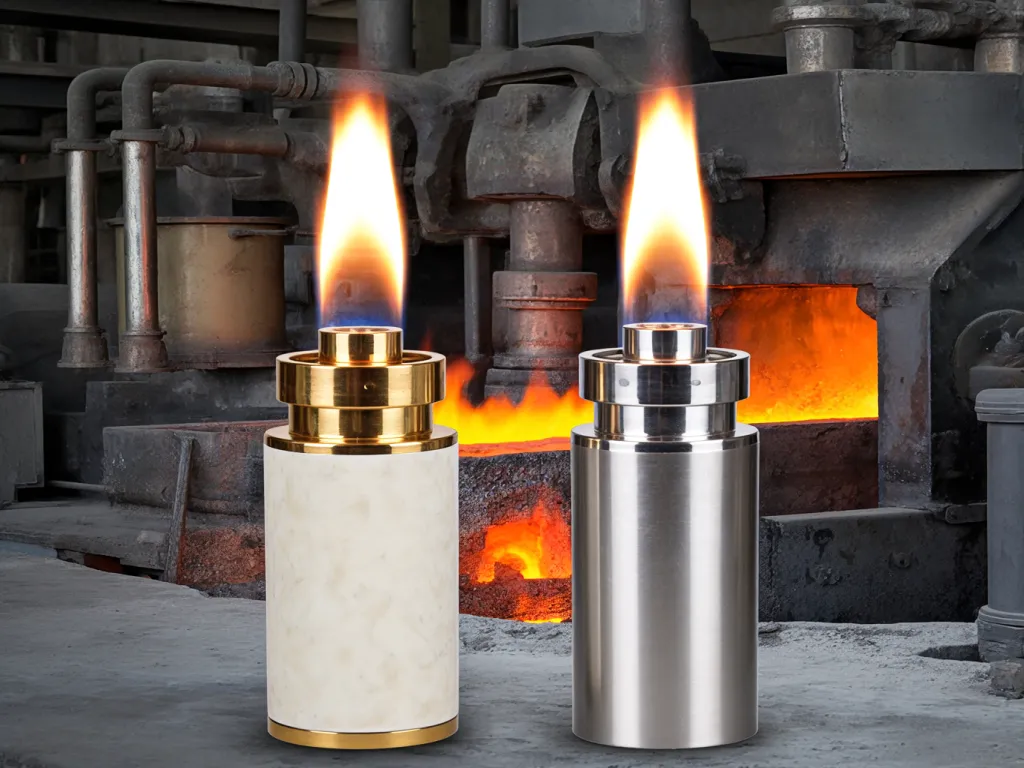
In industrial settings where temperatures soar and equipment reliability is non-negotiable, the humble furnace igniter emerges as a critical component. Whether you’re melting metals in a foundry or shaping glass in a kiln, choosing the right furnace igniter can make or break your operation’s efficiency. But with so many options on the market, how do you ensure you’re picking a winner? Let’s dive into the nitty-gritty of selecting the perfect furnace igniter for your high-temperature needs.
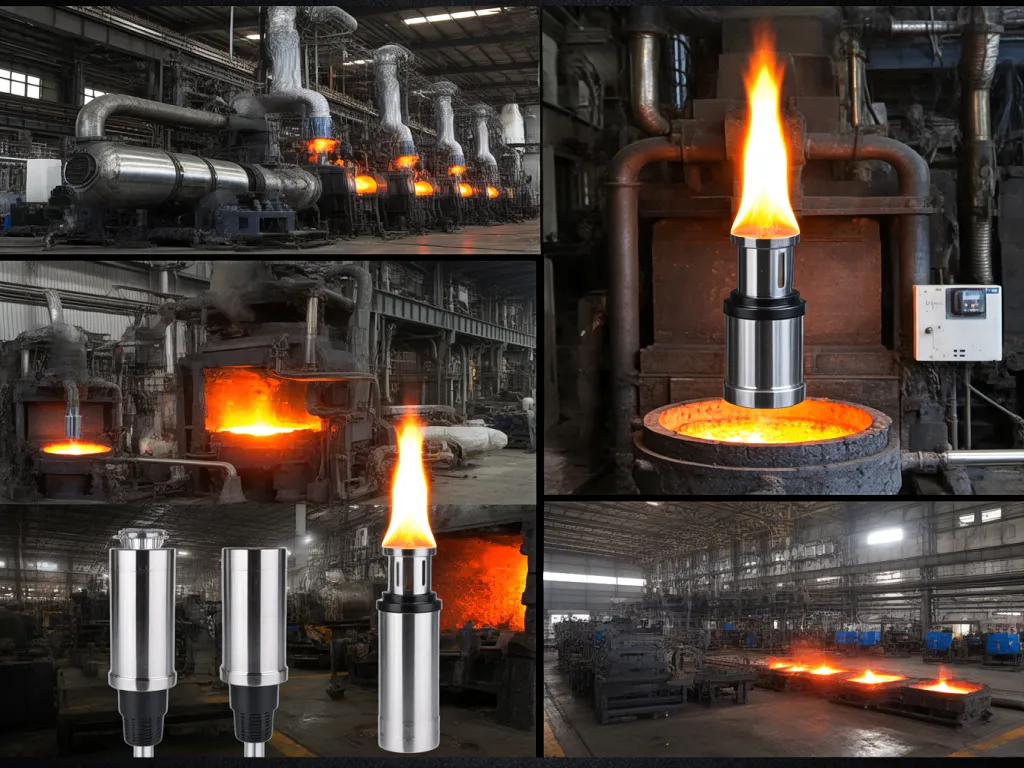
Understanding High-Temperature Environment Demands: Specific Requirements for Furnace Igniters in Industrial Scenarios
Metallurgy: Where Extreme Heat Meets Durability
In metallurgy, the stakes are high. You’re dealing with molten metals that can reach temperatures well above 1,000°C. For a furnace igniter to thrive in this environment, it must withstand not only the extreme heat but also the potential for chemical reactions with the molten material. This means the igniter needs to have a high melting point, excellent thermal stability, and resistance to oxidation and corrosion. Imagine trying to ignite a furnace filled with molten iron; if your igniter can’t handle the heat or corrodes quickly, you’re looking at frequent replacements and downtime, which can be costly.
Glass Manufacturing: Precision and Consistency in High Heat
Glass manufacturing is another arena where furnace igniters play a pivotal role. Here, the temperatures can range from around 800°C to 1,500°C, depending on the type of glass being produced. The igniter must not only survive these temperatures but also provide consistent and reliable ignition. Glass manufacturing is a delicate process where even slight variations in temperature can lead to defects in the final product. Therefore, the igniter must have a rapid response time and maintain its performance over extended periods. Corrosion resistance is also key, as the glass melt can contain various chemicals that could degrade the igniter over time.
Ceramics and Porcelain: The Subtle Art of High-Temperature Control
In the ceramics and porcelain industry, the focus shifts slightly. While the temperatures are still high, often ranging from 800°C to 1,200°C, the precision in temperature control becomes even more critical. The igniter must be able to ignite the furnace consistently and maintain the exact temperature needed for the specific ceramic or porcelain being produced. Any deviation can lead to cracks, warping, or other defects in the final product. Additionally, the igniter must resist the abrasive nature of ceramic materials, which can wear down components over time.
Chemical Processing: Handling Corrosive Environments with Ease
Chemical processing plants often operate at high temperatures, but they also introduce another layer of complexity: corrosive chemicals. In these settings, the furnace igniter must not only withstand the heat but also resist corrosion from various chemicals used in the processes. This requires materials that are chemically inert or have a high resistance to corrosion. For instance, if you’re processing sulfuric acid, you’ll need an igniter that can handle both the heat and the acidic environment without degrading.
Aerospace and Automotive: Pushing the Limits of Heat and Performance
In the aerospace and automotive industries, furnace igniters are used in processes like heat treating, brazing, and annealing. These processes often involve temperatures exceeding 1,000°C and require igniters that can perform reliably under extreme conditions. The igniters must also be durable enough to withstand the mechanical stresses of these industries, where components are often subjected to high pressures and vibrations. Corrosion resistance is equally important, as these industries may use specialized alloys and coatings that could react with the igniter material.
So, how do you choose the right furnace igniter for your high-temperature industrial application? It starts with understanding the specific demands of your environment. Consider the temperature range, the potential for corrosion, and the need for precise temperature control. By doing so, you’ll be well on your way to selecting an igniter that not only survives but thrives in your industrial setting.
Key Performance Parameters Unpacked: Choosing the Right Furnace Igniter
When it comes to selecting a furnace igniter for your industrial heating system, it’s not just about finding any igniter—it’s about finding the right one. The performance parameters of your furnace igniter can significantly impact both the heating efficiency and the stability of your equipment. So, what are these key parameters, and why do they matter so much? Let’s dive in and explore the critical factors you should consider when making your choice.
Temperature Resistance: The Heat Is On
First up is temperature resistance. This parameter is crucial because it determines how well your furnace igniter can withstand the extreme temperatures it will encounter in its operational environment. Think about it: if your igniter can’t handle the heat, it’s going to fail, and that means downtime for your equipment. Not exactly ideal, right? So, how do you know what temperature range your igniter needs to handle? Well, that depends on your specific industrial application. For instance, in the metallurgy industry, furnace temperatures can soar to incredibly high levels. You’ll need an igniter that can withstand these extreme conditions without degrading over time. But temperature resistance isn’t just about the maximum temperature your igniter can handle. It’s also about how consistently it performs at those temperatures. Some igniters might work fine at lower temperatures but start to falter as the heat rises. That’s why it’s essential to choose an igniter with a proven track record of performance across a wide temperature range. For more insights on how temperature impacts industrial equipment, you can refer to this high-temperature environment study.
Lifespan: Longevity Matters
Next on the list is lifespan. This parameter refers to how long your furnace igniter will last before it needs to be replaced. And let’s be honest, nobody wants to be constantly replacing parts on their equipment. It’s not just a hassle; it’s also costly. So, what factors influence the lifespan of a furnace igniter? Well, material quality is a big one. High-quality materials, like ceramic, tend to have a longer lifespan than their metal counterparts. That’s because ceramic igniters are more resistant to wear and tear, especially in high-temperature environments. But lifespan isn’t just about the material. It’s also about how well the igniter is designed and manufactured. A well-designed igniter with precise tolerances and high-quality components will last longer than a poorly made one. That’s why it’s essential to choose a reputable manufacturer with a proven track record of producing reliable furnace igniters.
Response Time: Speed Is Key
Now, let’s talk about response time. This parameter refers to how quickly your furnace igniter can heat up and reach its operating temperature. And in the world of industrial heating, speed is key. Why? Because a faster response time means less downtime for your equipment. If your igniter takes too long to heat up, your furnace won’t be able to reach its desired temperature as quickly, which can lead to inefficiencies and even damage to your equipment. So, how do you ensure your furnace igniter has a fast response time? Well, again, material quality plays a role. Ceramic igniters, for instance, tend to heat up more quickly than metal ones. But it’s not just about the material. The design and construction of the igniter also matter. A well-designed igniter with efficient heat transfer properties will have a faster response time than a poorly designed one.
Impact on Heating Efficiency and Equipment Stability
Now that we’ve covered the key performance parameters, let’s talk about how they impact heating efficiency and equipment stability. After all, these are the ultimate goals when selecting a furnace igniter. Temperature resistance directly affects heating efficiency. If your igniter can’t handle the heat, it won’t be able to maintain a consistent temperature, which can lead to inefficiencies in your heating process. And inefficiencies mean higher energy costs and potentially lower product quality. Lifespan is also crucial for equipment stability. A long-lasting igniter means fewer replacements and less downtime for your equipment. And less downtime means more consistent production and higher overall efficiency. Finally, response time plays a role in both heating efficiency and equipment stability. A fast response time means your furnace can reach its desired temperature more quickly, which can lead to more efficient heating and less wear and tear on your equipment. So, there you have it. When selecting a furnace igniter, temperature resistance, lifespan, and response time are the key performance parameters you need to consider. By choosing an igniter that excels in these areas, you can ensure optimal heating efficiency and equipment stability for your industrial heating system.
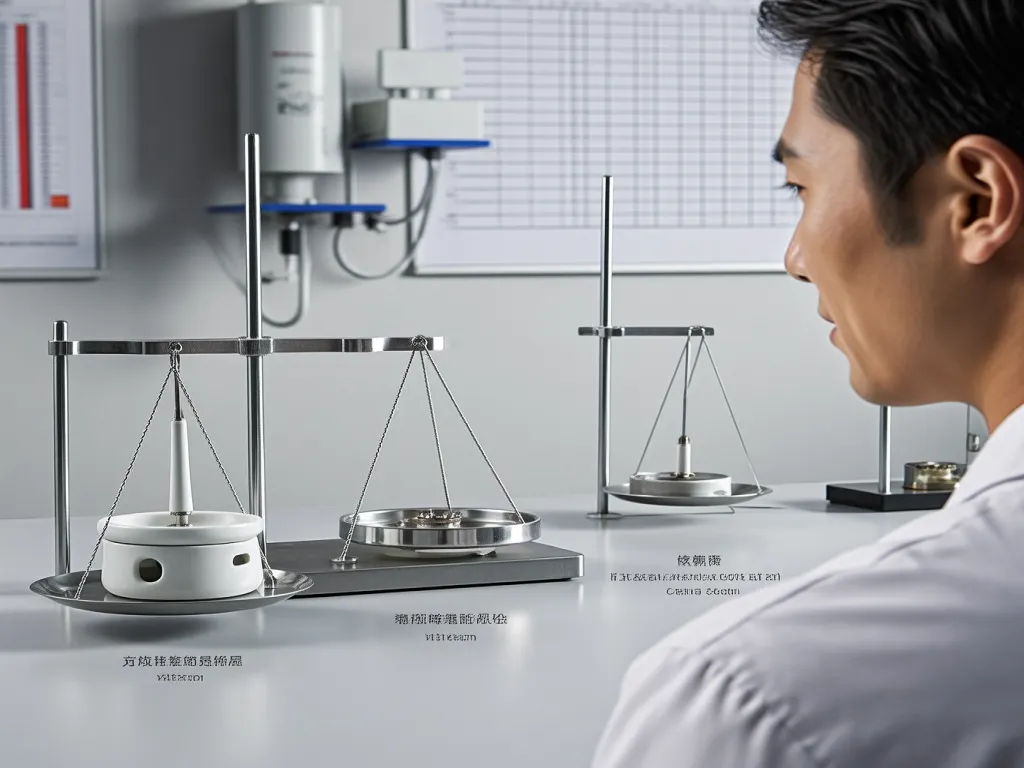
Material Comparison and Selection: Ceramic vs. Metal Furnace Igniters in High-Temperature Environments
Ceramic Furnace Igniters: Pros and Cons
Ceramic furnace igniters are renowned for their exceptional thermal stability and resistance to corrosion. These igniters can withstand extremely high temperatures, often exceeding 1600°C, making them ideal for industries like glass manufacturing and metallurgy where extreme heat is a constant. One of the standout advantages of ceramic igniters is their longevity. Due to their inert nature, they don’t degrade as quickly as metal igniters when exposed to corrosive gases or chemicals, leading to fewer replacements and lower maintenance costs over time. However, ceramic igniters aren’t without their drawbacks. They tend to be more brittle than their metal counterparts, which means they can be prone to cracking or breaking under mechanical stress or thermal shock. Additionally, while their initial cost might be higher due to specialized manufacturing processes, the long-term savings in maintenance and replacement can offset this. But for applications requiring rapid temperature changes or frequent on-off cycles, the thermal inertia of ceramics might slightly delay response times compared to metals.
Metal Furnace Igniters: Pros and Cons
Metal furnace igniters, typically made from materials like nickel-chromium alloys or kanthal, offer a different set of benefits. They are generally more durable and resistant to physical impact, making them suitable for environments where mechanical vibrations or occasional bumps are expected. Metals also have faster thermal response times, heating up and cooling down more quickly than ceramics, which can be crucial in applications requiring precise temperature control. On the flip side, metal igniters have limitations in extreme heat environments. While they can handle high temperatures, prolonged exposure to temperatures beyond their rated capacity can lead to oxidation, warping, or even melting. This reduces their lifespan compared to ceramics, especially in corrosive atmospheres. Moreover, metals are more susceptible to chemical reactions with certain gases, leading to faster degradation and increased maintenance needs.
Making the Right Choice: Heating Efficiency vs. Cost-Effectiveness
So, how do you decide between ceramic and metal furnace igniters? It boils down to understanding your specific needs. If your application involves consistently high temperatures and potentially corrosive environments, ceramic igniters are likely the better investment. Their superior thermal stability and corrosion resistance will ensure longer service life and lower overall costs despite a higher initial price tag. Conversely, if your operations demand rapid temperature adjustments, handle less extreme heat, or operate in environments with minimal corrosive risks, metal igniters could be the more economical choice. Their faster response times and durability against physical impacts make them suitable for a wide range of industrial heating systems. Ultimately, the decision should be based on a thorough evaluation of your heating requirements, budget constraints, and long-term operational goals. Consider consulting with a specialist who can provide tailored advice based on your unique circumstances. After all, choosing the right furnace igniter isn’t just about performance; it’s about optimizing your entire heating system for maximum efficiency and reliability.
Navigating the world of furnace igniters for high-temperature environments doesn’t have to be daunting. By understanding your specific industrial heating demands, evaluating key performance metrics, and weighing the pros and cons of ceramic versus metal options, you’re now equipped to make an informed choice. Remember, the right furnace igniter isn’t just about immediate performance—it’s an investment in long-term efficiency and equipment longevity. Ready to upgrade your industrial heating system? Explore our range of high-performance furnace igniters and take the first step toward optimized operations. What will your next high-temperature challenge reveal about your igniter needs?