
Igniter for Furnace Cost: Optimize Efficiency & Savings
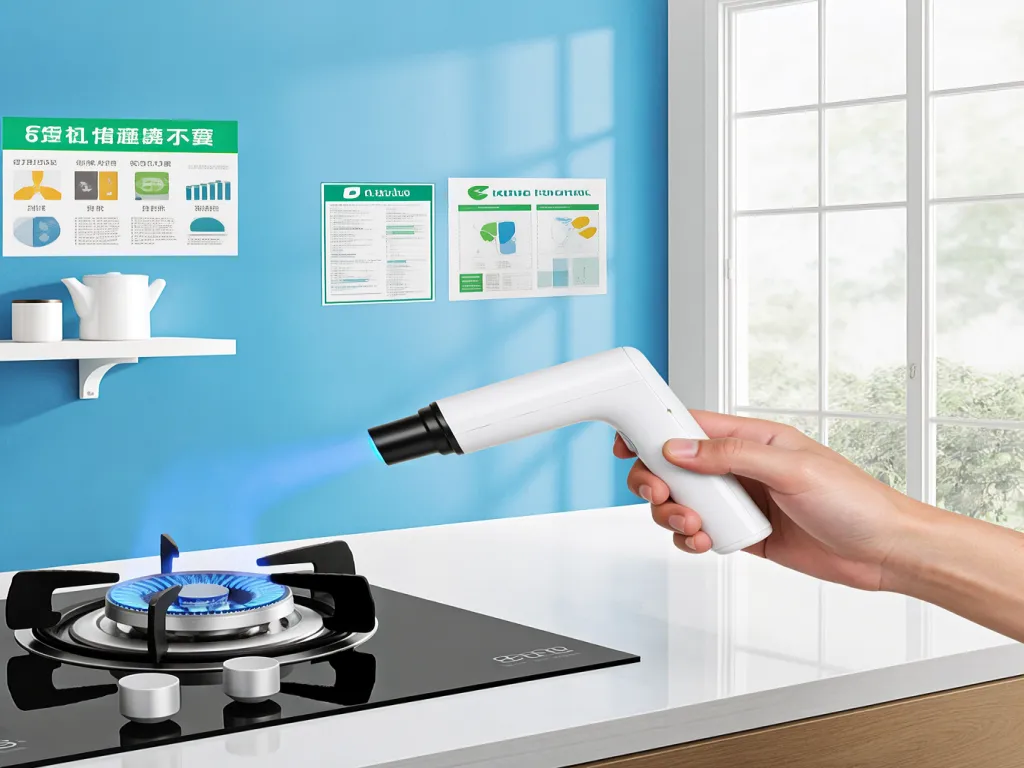
When it comes to keeping your furnace running smoothly, the cost of an igniter isn’t just about the initial price tag—it’s about long-term efficiency and savings. If you’ve ever wondered how to balance igniter for furnace cost with performance, you’re in the right place. This blog dives deep into the relationship between energy efficiency, lifespan, and overall value. Ready to make a smarter investment? Let’s get started.

Energy Efficiency Ratio: Definition and Significance in Ceramic Heating Elements
When it comes to selecting the right igniter for your furnace, the term ‘energy efficiency ratio’ (EER) might not be the first thing that comes to mind. However, understanding EER is crucial, especially if you’re looking to optimize your furnace’s performance and minimize long-term costs. So, what exactly is EER, and why does it matter so much in the context of ceramic heating elements?
At its core, the energy efficiency ratio is a metric that quantifies how effectively a heating element converts electrical energy into heat. In simpler terms, it tells you how much useful heat you’re getting for every unit of electricity consumed. For ceramic heating elements, which are commonly used in furnaces due to their durability and high-temperature capabilities, EER becomes a pivotal factor in determining both immediate performance and long-term cost-effectiveness.
Imagine you’re shopping for a new igniter for your furnace. You come across two options: one with a higher EER and another with a lower EER. The higher EER igniter might cost a bit more upfront, but here’s the catch—it consumes less electricity to produce the same amount of heat. Over time, this translates to significant savings on your energy bills. On the flip side, the lower EER igniter, while cheaper initially, could end up costing you more in the long run due to higher energy consumption.
But how do you predict these long-term running costs just by looking at the EER? It’s all about doing a bit of math and considering the bigger picture. Let’s break it down:
First, understand that the EER is typically expressed as a ratio, like 3:1 or 4:1. This means for every 3 or 4 units of electrical energy consumed, the igniter produces 1 unit of useful heat. The higher the first number in the ratio, the more efficient the igniter is.
Next, estimate your furnace’s annual operating hours. This will vary depending on your location, climate, and how often you use the furnace. Once you have this figure, you can calculate the total energy consumption of the igniter over a year by multiplying its power rating (in watts) by the annual operating hours and then dividing by 1,000 to convert to kilowatt-hours (kWh).
Now, multiply the annual energy consumption (in kWh) by your local electricity rate (per kWh) to get the annual energy cost. This is where the EER comes into play. A higher EER igniter will have a lower annual energy cost because it’s more efficient at converting electricity into heat.
But wait, there’s more to it than just energy costs. A higher EER igniter also tends to have a longer lifespan because it operates at lower temperatures, reducing wear and tear. This means fewer replacements over time, further reducing your long-term costs.
So, when you’re weighing your options for an igniter for your furnace, don’t just look at the upfront cost. Consider the EER and how it impacts your long-term running costs. It’s an investment in efficiency that pays off over time, both in terms of energy savings and reduced maintenance expenses.
In the next sections, we’ll delve deeper into the components of long-term use costs and how they’re influenced by EER. We’ll also share some real-world case studies to illustrate the impact of choosing an igniter with the right EER for your furnace. But for now, let’s recap: understanding and prioritizing EER in your ceramic heating element selection is a smart move that can lead to significant cost savings and improved furnace performance over its lifespan.
Long-Term Usage Costs: Composition and Influencing Factors
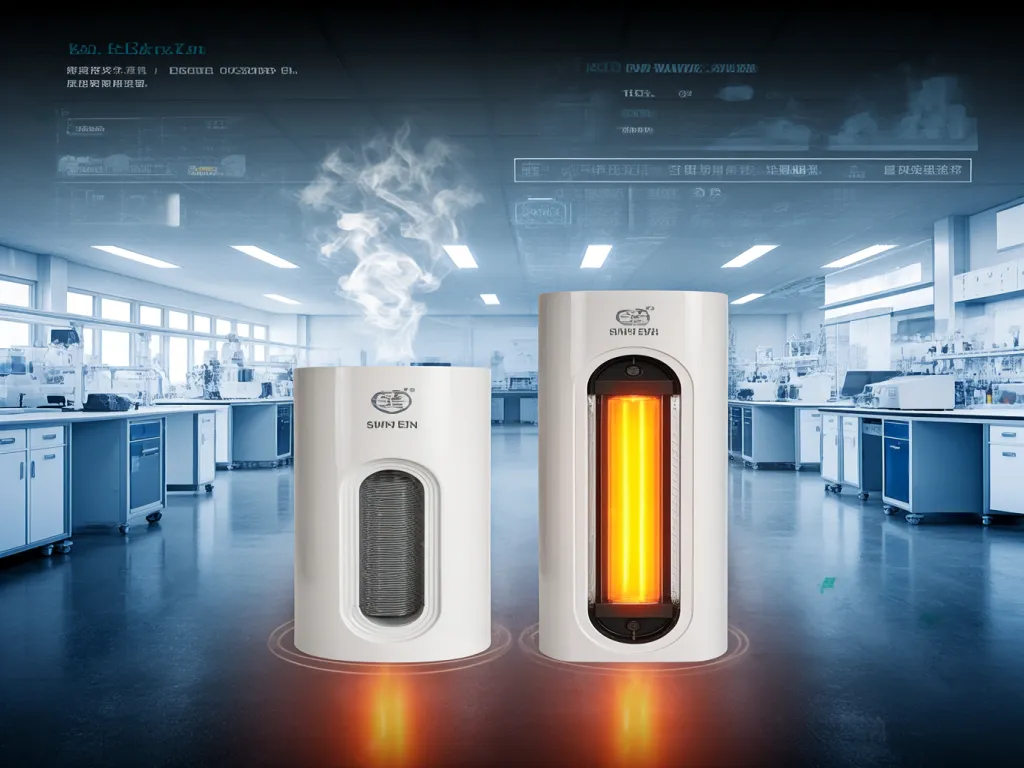
When it comes to selecting an igniter for your furnace, understanding the long-term usage costs is crucial. These costs extend far beyond the initial purchase price and encompass maintenance fees, replacement cycles, and energy consumption. Let’s break down each component and explore how energy efficiency ratio (EER) plays a pivotal role in shaping these expenses.
Maintenance Fees: The Hidden Cost
Maintenance is often an overlooked aspect when evaluating igniter costs. However, it can significantly impact your overall budget. A ceramic heating element with a higher EER typically requires less frequent maintenance. Why? Because efficient elements generate less heat waste, reducing stress on the component and surrounding parts. This translates to fewer breakdowns and lower repair costs over time. Imagine a scenario where you’re using a low-EER igniter that constantly overheats, causing damage to nearby wiring or insulation. The repair bills would pile up quickly, wouldn’t they?
Replacement Cycles: The Frequency Factor
The lifespan of your furnace igniter directly affects long-term costs. Ceramic igniters with superior EER tend to have longer operational lives. They’re designed to withstand high temperatures and electrical stresses more effectively, delaying the need for replacement. On the flip side, a less efficient igniter might fail prematurely, forcing you to incur replacement costs sooner than expected. For those seeking a durable and efficient option, consider exploring our rapid heating, long-life ceramic igniter solution. Have you ever calculated how much a premature replacement could cost your business annually? It’s worth considering.
Energy Consumption: The Ongoing Expense
Perhaps the most significant ongoing cost associated with furnace igniters is energy consumption. An igniter with a high EER converts more electrical energy into usable heat, minimizing waste. This means lower electricity bills over the igniter’s lifespan. Conversely, a low-EER igniter guzzles power, driving up your operational expenses. Think about it: if you could reduce your energy consumption by 20% simply by choosing a more efficient igniter, how much would that save you in a year? The numbers can be staggering.
The EER Impact: A Unifying Force
Now, let’s tie all these factors together. The energy efficiency ratio (EER) is the linchpin that influences maintenance fees, replacement cycles, and energy consumption. A higher EER leads to reduced maintenance needs, extended replacement intervals, and lower energy bills. It’s a triple win for your bottom line. When evaluating igniters, always ask yourself: what’s the EER, and how will it affect my long-term costs? The answer could save you thousands over the igniter’s lifespan.
Maintenance and EER: A Direct Correlation
Efficient ceramic igniters operate at optimal temperatures, reducing thermal stress and component wear. This directly correlates with fewer maintenance incidents and lower associated costs. Regular inspections and minor adjustments might be all that’s needed for a high-EER igniter, compared to frequent repairs for a less efficient counterpart.
Replacement Cycles and EER: Extending Lifespan
The durability of a ceramic igniter is closely tied to its EER. High-EER igniters are built to last, with materials and designs that resist degradation. This means fewer replacements over the equipment’s lifespan, saving you the hassle and expense of frequent upgrades.
Energy Consumption and EER: The Cost-Saving Equation
Energy efficiency is where high-EER igniters truly shine. By converting more energy into heat, they minimize waste and reduce your electricity bills. Over time, this can result in substantial savings, especially for businesses operating multiple furnaces or running them continuously.
Case Study: Cost Differences of Ceramic Heating Elements with Varying Energy Efficiency Ratios Over Long-Term Use
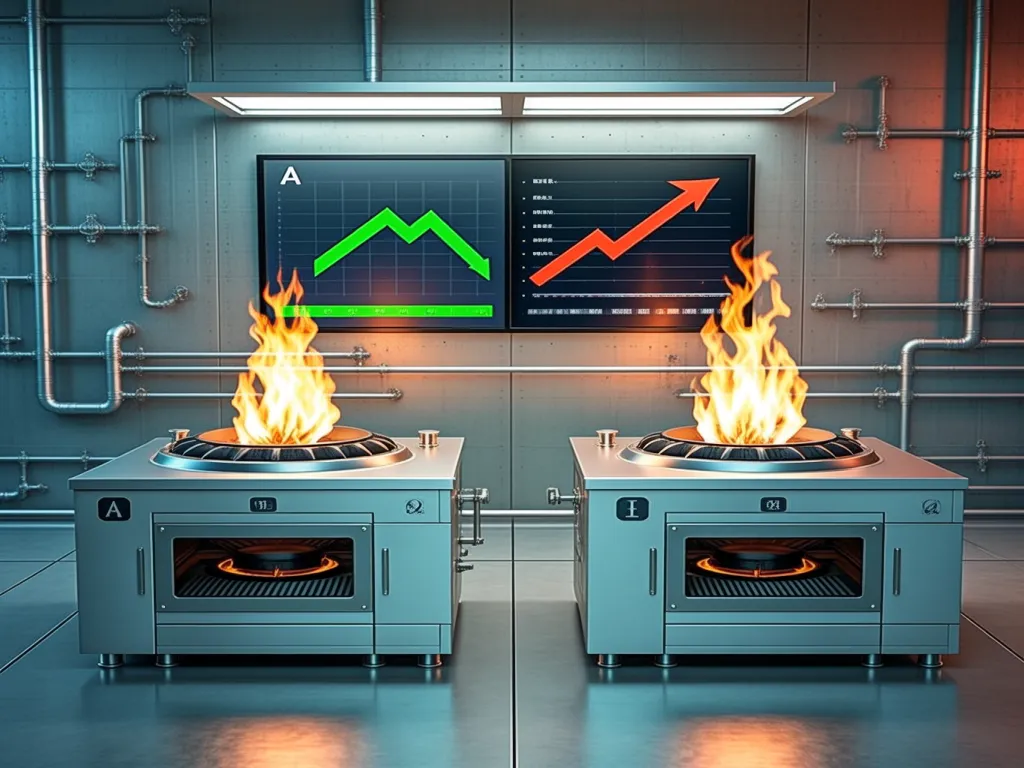
When it comes to selecting the right igniter for your furnace, the energy efficiency ratio (EER) of ceramic heating elements plays a pivotal role in determining long-term costs. But how exactly does this ratio translate into savings or expenses over time? Let’s dive into some real-world examples to shed light on this crucial aspect. Imagine two factories, both relying heavily on furnaces for their production processes. Factory A opts for a high-EER ceramic igniter, such as those available in our high-performance ceramic igniter range, while Factory B chooses a lower-EER alternative, primarily due to the initial lower purchase cost. At first glance, Factory B seems to have made a financially savvy decision. However, as we fast-forward a few years, the picture starts to change dramatically. The high-EER igniter in Factory A operates more efficiently, consuming less energy per heating cycle. This translates into lower electricity bills month after month. On the other hand, Factory B’s lower-EER igniter gobbles up more power, leading to steadily increasing operational costs. But the story doesn’t end there. Maintenance and replacement cycles also come into play. High-EER ceramic igniters, often built with superior materials and engineering, tend to have longer lifespans. They withstand the rigors of continuous use better, requiring fewer replacements. In contrast, lower-EER models may wear out faster, necessitating more frequent replacements and associated downtime costs. Let’s crunch some numbers to make this clearer. Suppose Factory A’s high-EER igniter costs $500 more upfront but saves $200 annually in energy costs and requires replacement only every 5 years. Meanwhile, Factory B’s lower-EER igniter, though $500 cheaper initially, consumes $100 more in energy each year and needs replacement every 3 years. Over a decade, Factory A would spend $500 (initial cost) + $2000 (energy savings over 10 years) = $2500, excluding the cost of a single replacement after 5 years. Factory B, however, would spend $0 (initial ‘savings’) + $1000 (extra energy costs over 10 years) + $1000 (two replacements at $500 each) = $2000, but this doesn’t account for the potential production losses during replacement downtimes. Moreover, the environmental impact cannot be ignored. High-EER igniters contribute to lower carbon footprints by reducing energy consumption, aligning with sustainability goals that many businesses are now prioritizing. So, when you’re weighing the igniter for furnace cost, remember that the initial price tag is just the tip of the iceberg. The true cost lies in the operational efficiency, maintenance needs, and environmental footprint over the igniter’s lifespan. By investing in a high-EER ceramic heating element, you’re not just buying a product; you’re securing long-term savings, reliability, and a greener future for your operations. Isn’t it worth considering the bigger picture before making your next purchase?
Energy Consumption: The Silent Cost Driver
Energy consumption is often the most overlooked yet significant cost driver when it comes to furnace igniters. High-EER ceramic igniters are designed to convert more electrical energy into heat, minimizing waste. This efficiency directly correlates with lower energy bills. For instance, a high-EER igniter might use 10% less energy than its lower-EER counterpart for the same heating output. Over months and years, this seemingly small difference accumulates into substantial savings. It’s like choosing a fuel-efficient car over a gas guzzler; the initial cost might be higher, but the long-term savings on fuel make it a wise investment.
Maintenance and Replacement: The Hidden Costs
Maintenance and replacement costs are the hidden expenses that can catch many off guard. High-quality, high-EER ceramic igniters, such as the HF1310 series, are built to last, withstanding the thermal stresses and chemical exposures common in furnace environments. They require less frequent maintenance and have longer lifespans, reducing the need for costly replacements. On the flip side, lower-EER models may degrade faster, leading to more frequent breakdowns and replacements. Each replacement not only incurs the cost of the new igniter but also the downtime and potential loss of production during the changeover. These indirect costs can quickly add up, making the initial ‘savings’ on a lower-EER igniter seem insignificant in hindsight.
Environmental Impact: A Growing Concern
In today’s environmentally conscious world, the carbon footprint of industrial operations is under increasing scrutiny. High-EER ceramic igniters, by consuming less energy, contribute to lower greenhouse gas emissions. This not only helps businesses meet their sustainability goals but also aligns with consumer expectations for eco-friendly practices. Choosing a high-EER igniter is a step towards a greener future, demonstrating your commitment to environmental stewardship. It’s a win-win situation where you save money while doing your part for the planet.
Choosing the right igniter for furnace cost means looking beyond the sticker price. By focusing on energy efficiency, maintenance needs, and lifespan, you can unlock significant long-term savings. As we’ve explored, even small differences in performance can lead to big changes in your bottom line. So, are you ready to optimize your furnace’s efficiency and cut costs? Share this guide with your team or explore our ceramic heating solutions to take the next step toward smarter, cost-effective heating.
Related Product
-

Furnace Ignitor – High-Performance HF1310 Series Ceramic Igniter for Diverse Heating Needs
Designed for Biomass Boilers, Gas Burners, and More Heating Applications -
Furnace Igniter – High-Performance Ceramic Igniter for Diverse Heating Systems
Designed for Biomass Boilers, Gas Stoves, and Industrial Heating Applications -
Hot Surface Ignitor – Rapid Heating & Long-Life Solution for Furnaces
High-Temperature Resistant Ignitor for Industrial Furnaces