
Perfect Match: Furnace Ignitor Voltage Guide
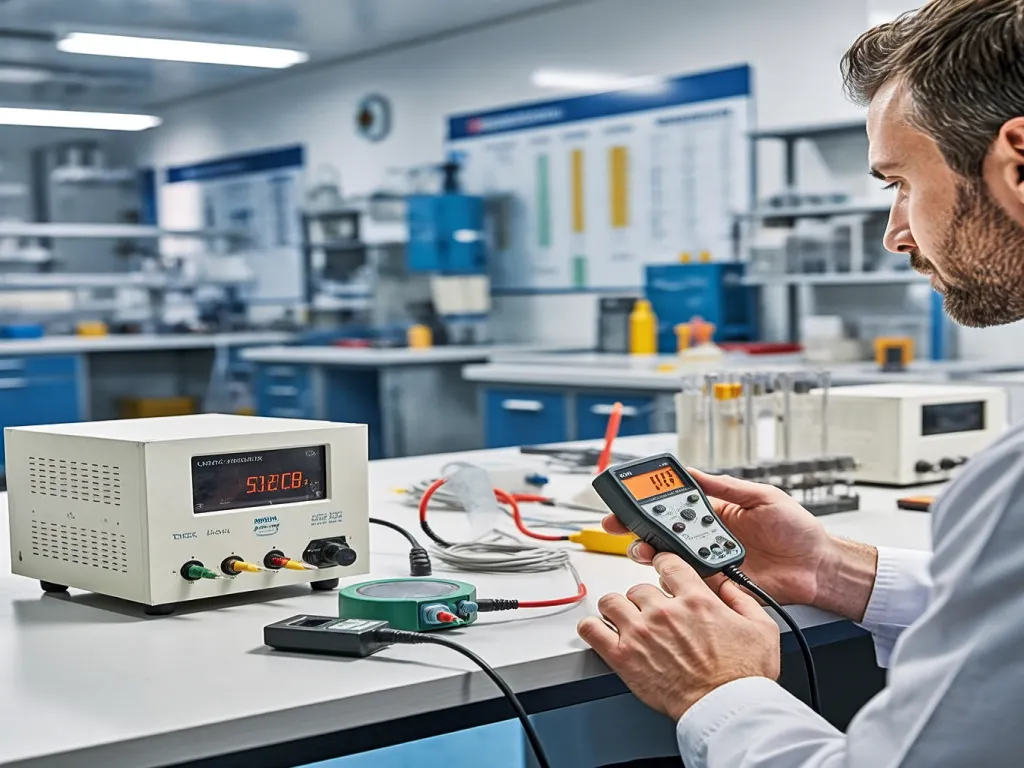
For ceramic heating element makers and equipment engineers, the quest for optimal performance often starts with a simple yet crucial element: furnace ignitor voltage. Get this wrong, and you’re staring down the barrel of overheating issues or frustrating ignition failures. So, how do you ensure you’re selecting the right voltage for your furnace ignitor? Let’s dive into the nitty-gritty of matching voltage to device power needs, steering clear of those pesky problems.

Understanding Equipment Power Requirements: The Foundation for Selecting Furnace Ignitor Voltage
When it comes to choosing the right furnace ignitor voltage for your ceramic heating elements, the first step is always to understand the power requirements of your equipment. This might sound like a no-brainer, but you’d be surprised how often this crucial step is overlooked, leading to a host of problems down the line. Let’s dive into why understanding your equipment’s power range is so vital and how it directly impacts your choice of furnace ignitor voltage.
First off, every piece of equipment has its own unique power demands. Just like how a car engine needs a specific type of fuel to run smoothly, your ceramic heating elements require a precise voltage to function optimally. This voltage isn’t a one-size-fits-all deal; it varies from device to device. Some might need a higher voltage to reach the desired temperatures quickly, while others could operate perfectly fine on a lower voltage, saving energy and reducing wear and tear.
Now, you might be thinking, ‘What’s the big deal if I choose a voltage that’s a bit off?’ Well, the consequences can be quite significant. Using a voltage that’s too high for your equipment can lead to overheating. Imagine your heating element working overtime, pushing beyond its limits. Not only does this shorten its lifespan, but it also increases the risk of malfunctions or even catastrophic failures. On the flip side, opting for a voltage that’s too low can result in insufficient heating. Your equipment might struggle to reach the necessary temperatures, leading to inefficient operation and potentially compromising the quality of your products.
So, how do you determine the right voltage for your furnace ignitor? It all starts with a thorough assessment of your equipment’s power requirements. This involves checking the manufacturer’s specifications, which often provide detailed information on the recommended voltage range. Don’t just skim through these specs; take the time to understand them thoroughly. They’re your roadmap to ensuring your heating elements perform at their best.
But what if your equipment is older or the specifications are unclear? In such cases, consulting with a professional or reaching out to the manufacturer’s customer support can be invaluable. They can provide insights based on their experience and help you make an informed decision. Remember, investing a little extra time in this initial step can save you a lot of headaches (and money) in the long run.
It’s also worth noting that the environment in which your equipment operates can influence its power needs. Factors like ambient temperature, humidity, and even altitude can affect how your heating elements perform. For instance, if you’re operating in a colder climate, your equipment might require a slightly higher voltage to compensate for the lower ambient temperatures. Similarly, high-altitude locations might necessitate adjustments due to the thinner air.
In essence, understanding your equipment’s power requirements is about more than just picking a number; it’s about ensuring harmony between your heating elements and their operating environment. By taking the time to assess these needs accurately, you’re laying the groundwork for a more efficient, reliable, and cost-effective operation. So, the next time you’re faced with choosing a furnace ignitor voltage, remember: knowledge is power, and in this case, it’s the power to keep your equipment running smoothly.
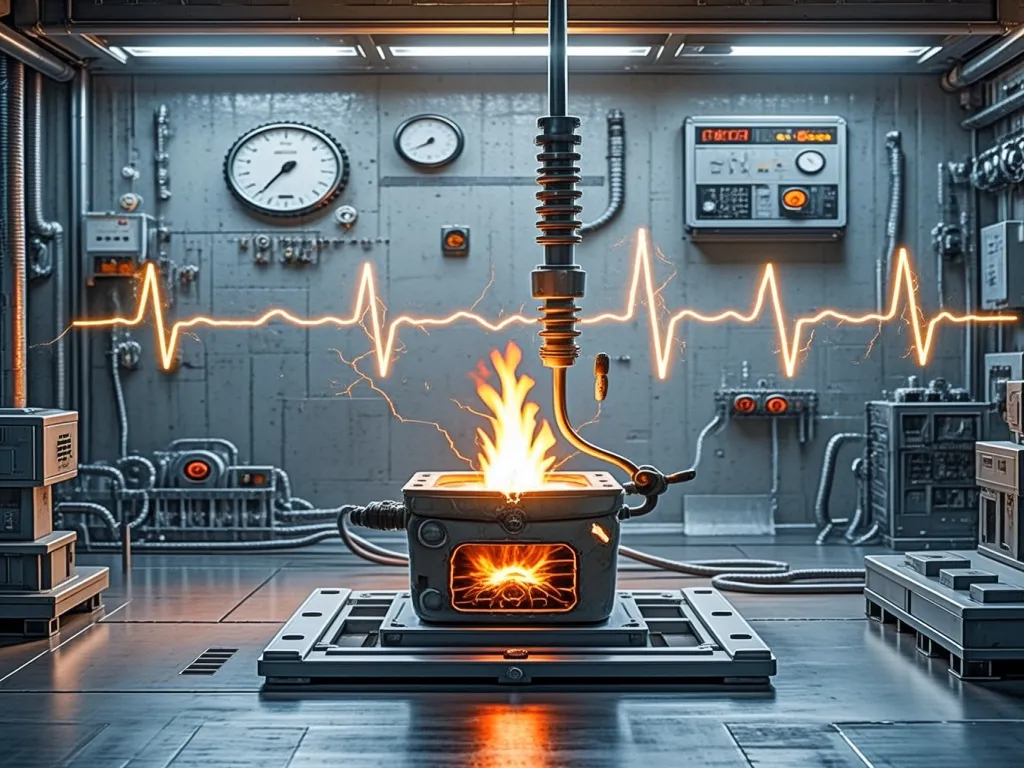
Voltage and Overheating: How Excessive Voltage Causes Device Overheating and Its Negative Impact on Performance and Lifespan
When it comes to furnace ignitors, voltage isn’t just a number on a spec sheet—it’s the lifeblood that determines whether your equipment runs smoothly or risks catastrophic failure. Let’s dive into the mechanics of how excessive voltage becomes a silent killer for heating systems. Imagine your furnace ignitor as a marathon runner. Just like an athlete pushing beyond their physical limits risks heat exhaustion, an ignitor forced to operate at voltages higher than its design threshold enters a dangerous zone of thermal stress. The science behind this is straightforward yet critical: when voltage exceeds the rated capacity, the electrical resistance within the ignitor’s ceramic element decreases disproportionately. This creates a vicious cycle—higher current flow generates more heat, which further reduces resistance, leading to even greater current and heat buildup. The consequences manifest in three devastating ways. First, thermal expansion causes physical distortion of the ceramic component. We’ve seen ignitors warp into shapes resembling melted wax candles, losing their precise geometric tolerances required for proper electrode alignment. Second, the ignition gap—that critical 0.5-1.2mm space where the spark jumps—becomes inconsistent as materials expand unevenly. This results in erratic sparking patterns that either fail to ignite or create dangerous backfires. Third, and most insidiously, the ceramic matrix begins to degrade at the molecular level. Micro-cracks form as different crystal phases within the ceramic expand at varying rates under thermal stress. These cracks become pathways for voltage leakage, creating localized hot spots that accelerate material breakdown. Let me share a real-world case study from our factory archives. In 2018, a Midwest industrial baker approached us after experiencing repeated ignitor failures in their 12-oven bread production line. Their maintenance team had been replacing ignitors every 6-8 weeks, far shorter than the 18-24 month lifespan promised by the original manufacturer. When we analyzed the failed components, we discovered they were operating at 140V in a system designed for 120V. The overvoltage had caused: 1. Electrode tips to erode 3x faster than normal 2. Ceramic insulators to develop hairline fractures 3. Spark energy to drop by 40% as resistance increased After recalibrating their system to the correct 120V operation and installing our voltage-optimized ignitors, the same production line achieved 22 months of continuous operation before the first scheduled replacement. This translates to a 67% reduction in maintenance costs and eliminated the daily production delays caused by ignition failures. The financial implications are staggering. For every 10°C rise above optimal operating temperature, component lifespan gets cut in half—a rule known as Arrhenius’s Law in material science. In practical terms, running a 120V ignitor at 140V effectively reduces its useful life from 2 years to about 7 months. That’s not just equipment wear—it’s throwing money directly into your furnace’s combustion chamber. So how do you know if your system is suffering from voltage-induced overheating? Look for these warning signs: 1. Discoloration around the ignitor base (brown/black stains indicate thermal runaway) 2. Frequent need for electrode gap adjustments 3. Increased noise during ignition (popping sounds suggest arc instability) 4. Unexplained increases in fuel consumption (inefficient combustion from poor spark quality) The solution isn’t just about buying ‘higher quality’ ignitors—it’s about understanding that quality without proper voltage matching is like putting racing tires on a family sedan. You need components engineered specifically for your voltage environment. In our next section, we’ll explore how the opposite problem—undervoltage conditions—creates a different set of challenges for furnace operators. But for now, let this sink in: the difference between optimal performance and premature failure often comes down to a mere 10-20 volts. Wouldn’t you rather be on the safe side of that equation?
The Domino Effect of Voltage Overload
When voltage spikes occur, they don’t just affect the ignitor—they create a systemic failure chain. The increased current draw strains the entire electrical circuit, causing transformers to overheat and control relays to wear prematurely. We’ve documented cases where a single overvoltage incident triggered a cascade of failures across multiple heating zones, costing facilities tens of thousands in downtime and repairs. This systemic vulnerability underscores why voltage management must be treated as a critical system parameter rather than an afterthought.
Material Science Perspective: Why Ceramics Fail Under Stress
Ceramic heating elements operate in a delicate balance between conductivity and insulation. The alumina and zirconia compounds used in quality ignitors have specific thermal expansion coefficients that must be maintained. When voltage exceeds design limits, these materials experience phase transitions that permanently alter their crystalline structure. Scanning electron microscope analysis of failed components often reveals grain boundary separation and microvoid formation—signs of material fatigue that render the ignitor incapable of maintaining consistent spark characteristics.

Voltage and Ignition Deficiency: How Low Voltage Causes Ignition Problems and Affects Heating Efficiency
When it comes to furnace ignitors, voltage plays a pivotal role in ensuring efficient and reliable operation. You might be wondering, ‘What exactly happens when the voltage is too low?’ Well, let’s dive into this common yet often overlooked issue. Low voltage can lead to ignition deficiency, a situation where the ignitor fails to generate sufficient heat to ignite the fuel properly. This isn’t just a minor inconvenience; it can significantly impact your heating system’s efficiency and overall performance. Imagine your furnace struggling to start up on a cold winter morning, all because the voltage isn’t up to par. Not only does this mean a chilly wait for your space to warm up, but it also puts extra strain on the ignitor and other components, potentially leading to premature wear and tear. So, how does low voltage cause these problems? Essentially, the ignitor relies on a specific voltage range to produce the necessary heat for ignition. When the voltage drops below this range, the ignitor can’t reach the required temperature, resulting in incomplete or failed ignition attempts. This not only wastes energy but also increases the risk of fuel buildup, which can be dangerous if not addressed promptly. But don’t worry, there’s a silver lining. By adjusting the voltage to the optimal level, you can optimize the ignition process and ensure your furnace runs smoothly. This involves checking the manufacturer’s specifications for your particular ignitor model and making sure the voltage supplied matches these requirements. It’s like tuning a guitar string – too loose, and it won’t play the right note; too tight, and it might snap. Finding that sweet spot is key to harmonious operation. Moreover, regular maintenance and voltage checks can help you catch any potential issues before they escalate. Think of it as a health check-up for your furnace. By keeping an eye on the voltage and making adjustments as needed, you can extend the lifespan of your ignitor and other components, saving you money and hassle in the long run. For instance, choosing a reliable hot surface ignitor with a stable voltage requirement can be a great start. So, if you’re experiencing ignition problems or notice your furnace isn’t heating as efficiently as it should, don’t ignore the voltage. It might just be the culprit behind your heating woes. By understanding the relationship between voltage and ignition, you can take proactive steps to ensure your furnace operates at its best, keeping you warm and comfortable all winter long.
The Science Behind Low Voltage and Ignition Failure
To truly grasp why low voltage causes ignition problems, we need to delve a bit into the science. An ignitor, whether it’s a hot surface ignitor or a spark ignitor, requires a certain amount of electrical energy to function correctly. This energy is measured in volts, and when the voltage is insufficient, the ignitor can’t generate the heat or spark needed to ignite the fuel. It’s like trying to start a car with a weak battery – the engine might turn over, but it won’t fire up. In the case of a furnace, this means the fuel remains unburned, leading to inefficient heating and potential safety hazards. By ensuring the voltage is within the recommended range, you’re providing the ignitor with the power it needs to do its job effectively.
Adjusting Voltage for Optimal Ignition
Adjusting the voltage might sound like a daunting task, but it’s actually quite straightforward with the right guidance. First, you’ll need to identify the optimal voltage range for your specific ignitor model. This information can typically be found in the manufacturer’s manual or on their website. Once you have this range, use a multimeter to check the current voltage being supplied to the ignitor. If it’s below the recommended level, you may need to adjust the transformer or power supply to increase the voltage. Conversely, if the voltage is too high, you’ll need to reduce it to prevent overheating and potential damage. Remember, small adjustments can make a big difference, so take your time and ensure accuracy.
Regular Maintenance: A Key to Voltage Stability
Regular maintenance isn’t just about cleaning filters and checking for leaks; it’s also about ensuring the electrical components, including the voltage supply, are in good working order. Over time, wear and tear can affect the voltage stability, leading to fluctuations that can impact ignition. By scheduling regular check-ups with a qualified technician, you can catch any voltage-related issues early on and address them before they cause bigger problems. Think of it as preventive medicine for your furnace – a little care now can save you a lot of headaches (and money) down the road.
In the realm of ceramic heating, precision in selecting furnace ignitor voltage is paramount. By grasping your device’s power requirements, you sidestep the twin perils of overheating and inadequate ignition. Remember, the right voltage is the linchpin of efficient operation and extended equipment lifespan. So, why wait? Start optimizing your furnace ignitor voltage today and watch your production efficiency soar. Curious about more voltage-matching secrets? The journey to perfecting your setup has just begun.
Related Product
-

Hot Surface Ignitor – Rapid Heating & Long-Life Solution for Furnaces
High-Temperature Resistant Ignitor for Industrial Furnaces