
Perfect Match: Igniter on a Furnace Guide
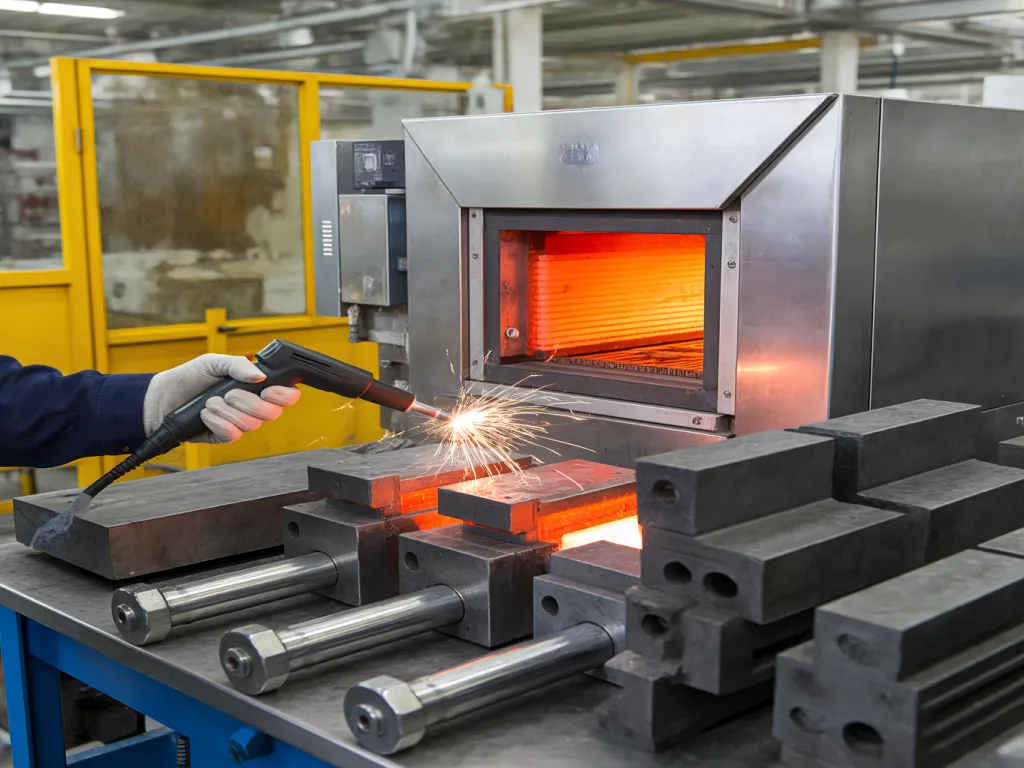
When it comes to ceramic heating element manufacturing, every detail counts. The igniter on a furnace often flies under the radar, yet it’s the unsung hero driving efficiency and quality. From rapid startups to precise temperature control, your choice of igniter can make or break your production line. But how do you navigate the sea of options to find the perfect fit? This guide cuts through the noise, offering a clear roadmap to selecting an igniter that aligns with your specific needs.
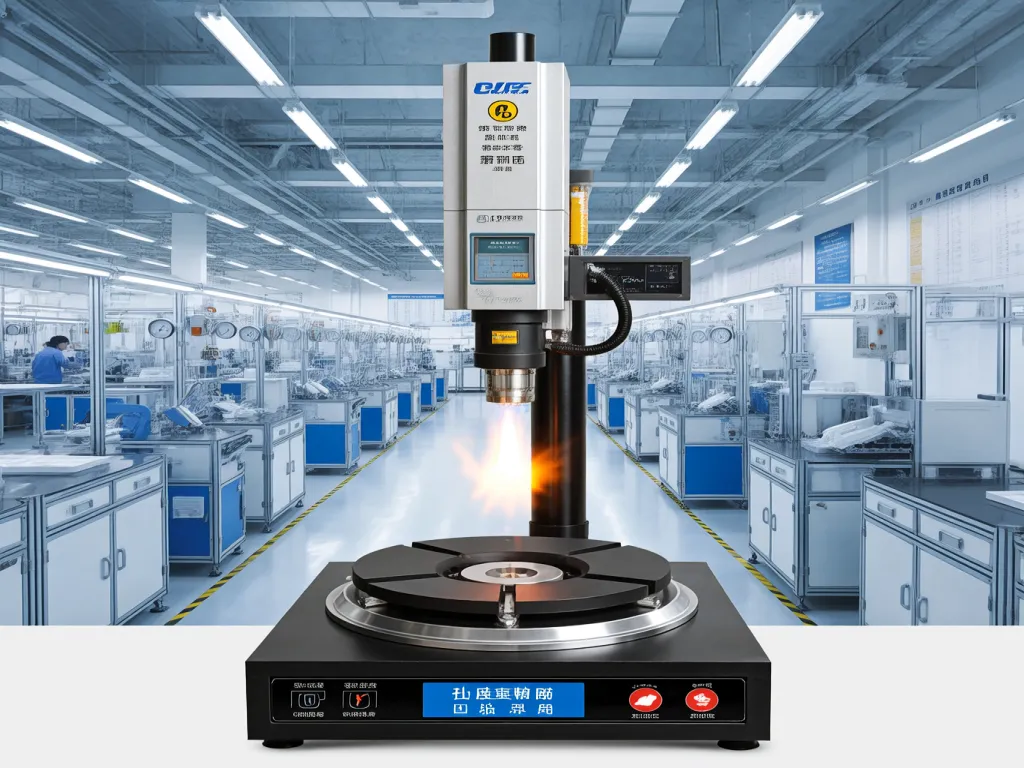
Performance Parameters Deep Dive: From Startup Speed, Heating Efficiency to Temperature Control Precision, a Comprehensive Interpretation of Key Performance Indicators for Igniter on a Furnace
When it comes to selecting the right igniter on a furnace for your ceramic heating element manufacturing, understanding the core performance parameters is crucial. After all, the igniter is the heart of your heating system, and its performance directly impacts the efficiency, quality, and longevity of your production process. So, let’s dive deep into the key performance indicators that you should consider before making a decision.
### Startup Speed: The Race Against Time
Imagine this: You’re in the middle of a production run, and suddenly, your furnace fails to ignite promptly. Every second of delay costs you money, time, and potentially, customer trust. That’s where startup speed comes into play. A high – quality igniter on a furnace should have a rapid startup time, ensuring that your furnace reaches the desired temperature quickly and efficiently. But how fast is fast enough? Well, it depends on your specific production needs. For high – volume manufacturing, even a few seconds of delay can add up to significant losses over time. So, when evaluating igniters, look for those with a proven track record of quick startups. Some advanced models can ignite within milliseconds, providing you with the speed you need to keep your production line running smoothly.
### Heating Efficiency: Maximizing Output, Minimizing Costs
Heating efficiency is another critical parameter to consider. It refers to how effectively the igniter converts electrical energy into heat energy. An efficient igniter will not only heat up your furnace faster but also consume less power in the process. This translates to lower energy bills and a reduced carbon footprint, which is a win – win for both your bottom line and the environment. To assess heating efficiency, check the igniter’s energy consumption ratings and compare them with industry standards. Look for igniters that offer high thermal conductivity, ensuring that the heat generated is evenly distributed throughout the furnace. This not only improves heating efficiency but also helps prevent hot spots, which can damage your ceramic heating elements.
### Temperature Control Precision: The Art of Fine – Tuning
In ceramic heating element manufacturing, temperature control is everything. A slight deviation from the optimal temperature can result in defective products, wasted materials, and increased production costs. That’s why temperature control precision is a non – negotiable parameter when selecting an igniter on a furnace. A precise igniter will allow you to set and maintain the exact temperature required for your production process, ensuring consistent quality and performance. Some igniters come equipped with advanced temperature control systems, such as PID (Proportional – Integral – Derivative) controllers, which can adjust the heat output in real – time based on feedback from temperature sensors. This level of precision gives you the confidence to run your production line at peak efficiency, knowing that your ceramic heating elements are being manufactured under the ideal conditions.
But here’s the thing: these performance parameters don’t exist in isolation. They’re interconnected, and a change in one can affect the others. For example, an igniter with a high startup speed may consume more power initially, impacting heating efficiency. Similarly, a highly precise temperature control system may require more sophisticated components, potentially increasing the cost. So, when evaluating igniters, it’s essential to consider the trade – offs between these parameters and find the right balance for your specific needs. Are you willing to sacrifice a bit of startup speed for better heating efficiency? Or is temperature control precision your top priority, even if it means a higher initial investment? These are the questions you need to ask yourself to make an informed decision.
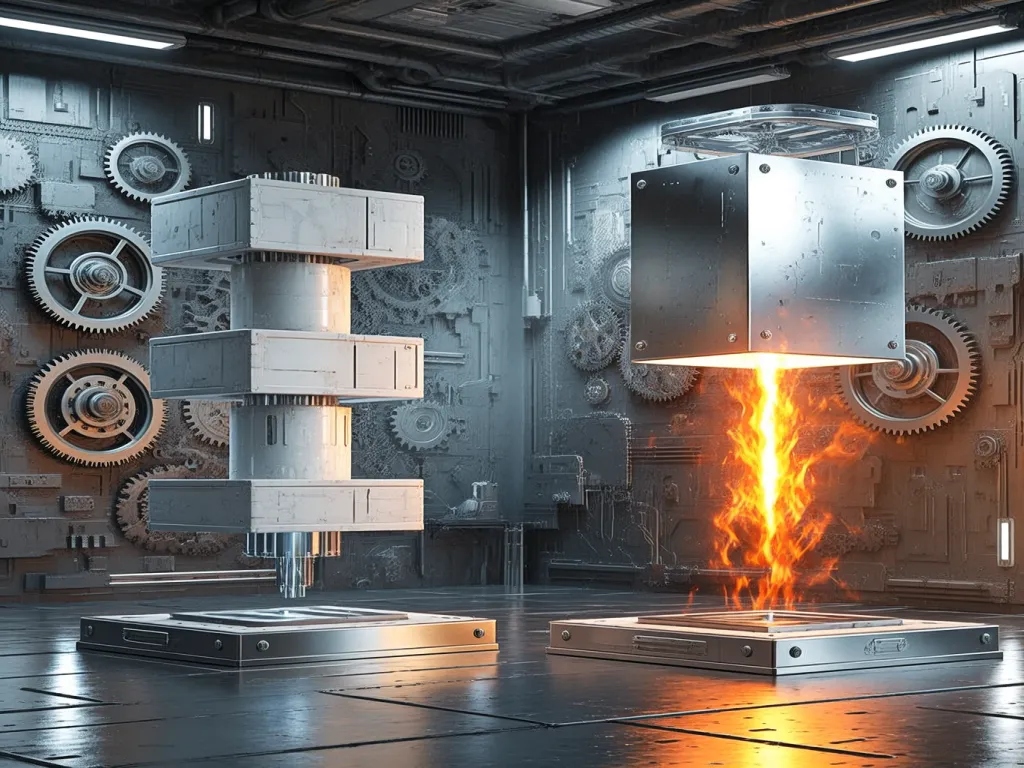
Material and Construction Contrast: Exploring the Impact of Different Materials (Such as Ceramics and Metal Alloys) on Igniter Performance, and How Construction Design Optimizes Heat Conduction and Durability
When it comes to the igniter on a furnace, the choice of material and construction design isn’t just about aesthetics or cost; it’s a critical factor that directly influences performance, heat conduction, and overall durability. Let’s dive into the world of materials and construction to understand how they shape the capabilities of your furnace igniter.
First up, ceramics. You might be thinking, ‘Ceramics? Aren’t those just for pottery?’ Well, think again. Ceramic materials in igniters offer a unique blend of properties that make them stand out. They’re excellent insulators, which means they can withstand high temperatures without conducting heat away from the ignition point. This is crucial for maintaining a consistent and efficient ignition process. Plus, ceramics are chemically stable, resistant to corrosion, and can endure thermal shocks – all qualities that contribute to a longer lifespan for your igniter. For those seeking a high-efficiency ignition solution, our hot surface igniter leverages these ceramic advantages to deliver reliable performance.
Now, let’s talk about metal alloys. These are the workhorses of the igniter world, known for their excellent conductivity and mechanical strength. Metal alloys like nickel-chromium (NiCr) or iron-chromium-aluminum (FeCrAl) are popular choices. They conduct heat rapidly, ensuring a quick and efficient ignition. But here’s the catch: while they’re great at conducting heat, they’re also more prone to oxidation and corrosion over time, especially in harsh environments. That’s why choosing the right alloy and protective coatings becomes essential to enhance durability.
But it’s not just about the material; it’s also about how you construct the igniter. The design plays a pivotal role in optimizing heat conduction and ensuring longevity. For instance, a well-designed igniter will have a uniform cross-section to promote even heat distribution. It’ll also incorporate features like ridges or fins to increase surface area, enhancing heat transfer to the surrounding environment. And let’s not forget about the electrical connections – a robust and secure connection is vital to prevent overheating and potential failures.
So, how do you choose between ceramic and metal alloy igniters? It boils down to your specific needs. If you’re looking for an igniter that can withstand extreme temperatures and resist corrosion, ceramics might be your best bet. On the other hand, if you prioritize rapid heat conduction and mechanical strength, metal alloys could be the way to go. And remember, the construction design should complement the material choice to maximize performance and durability.
But here’s the thing: there’s no one-size-fits-all solution. Every furnace, every application, has its unique set of requirements. That’s why it’s crucial to partner with a manufacturer who understands these nuances and can tailor an igniter solution that meets your exact needs. After all, the right igniter can make all the difference in the efficiency, reliability, and lifespan of your furnace.
Ceramic Igniters: The Heat-Resistant Champions
Ceramic igniters are like the superheroes of the igniter world. They can take on extreme temperatures without breaking a sweat (well, figuratively speaking). Their ability to insulate and resist thermal shocks makes them ideal for applications where consistent and reliable ignition is paramount. Plus, their chemical stability means they won’t react with the surrounding environment, ensuring a long and trouble-free service life. For a durable and efficient replacement, consider our high-performance, cost-effective ceramic furnace igniter.
Metal Alloy Igniters: The Conductivity Kings
Metal alloy igniters, on the other hand, are all about speed and efficiency. They conduct heat rapidly, ensuring a quick and powerful ignition. But as we mentioned earlier, they come with their own set of challenges, like oxidation and corrosion. That’s why choosing the right alloy and incorporating protective coatings is crucial to extend their lifespan and maintain their performance. For a high-performance solution, explore our durable furnace ignitor that leverages advanced metal alloys.
Construction Design: The Blueprint for Success
No matter which material you choose, the construction design is where the magic happens. A well-thought-out design can enhance heat conduction, improve durability, and even reduce energy consumption. Features like uniform cross-sections, increased surface area, and secure electrical connections all contribute to a more efficient and reliable igniter. So, when selecting an igniter, don’t just focus on the material; pay close attention to the design as well. Our hot surface ignitor exemplifies this approach with its optimized design for rapid heating and long life.
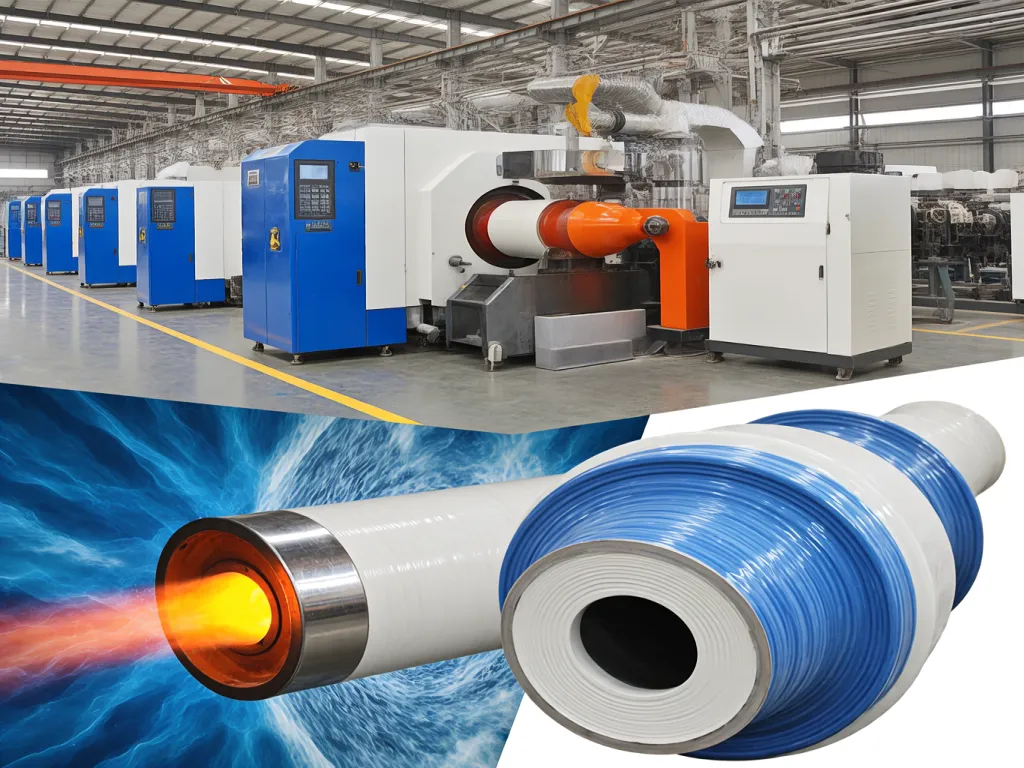
Practical Application Case Analysis: Demonstrating Performance Differences of Igniters in Ceramic Heating Element Manufacturing
When it comes to ceramic heating element manufacturing, the choice of igniter on a furnace can make or break your production efficiency and product quality. Let’s dive into some real-world cases that vividly illustrate how different igniters perform under varying conditions, helping you make an informed decision.
Case 1: High-Speed Start-Up with Ceramic Igniter
A ceramic heating element manufacturer switched from a metal alloy igniter to a ceramic-based igniter, reducing start-up time from 15 minutes to 3 minutes. This led to a 20% increase in overall productivity due to faster ignition and minimized energy waste during idle periods. The ceramic igniter’s higher thermal conductivity and resistance to thermal shock contributed to its superior performance. The manufacturer’s experience underscores the importance of material selection in achieving optimal furnace performance, a principle that aligns with broader industry insights on ceramic material applications.
Case 2: Temperature Control Precision with Advanced Igniter
A precision ceramic component manufacturer faced temperature fluctuations causing product defects. They adopted an igniter with advanced temperature control features, reducing temperature variations from ±15°C to ±2°C. This resulted in a significant drop in scrap rates from 8% to 1.5%, leading to cost savings and improved customer satisfaction. The implementation of such advanced igniters reflects a broader trend in manufacturing towards precision and efficiency, as highlighted by research on industrial automation trends.
Case 3: Durability and Longevity with Ceramic Composite Igniter
A large-scale ceramic tile manufacturer experienced premature failures of metal alloy igniters due to a harsh operating environment. They switched to an igniter constructed with a specialized ceramic composite material, which lasted over three times longer than metal counterparts. This reduced maintenance costs and downtime significantly.
Choosing the right igniter on a furnace isn’t just about specs—it’s about aligning performance, durability, and cost-effectiveness with your manufacturing goals. We’ve dissected key metrics, material impacts, and real-world outcomes to arm you with actionable insights. Ready to transform your heating system? Dive deeper into our performance comparison tools or reach out for tailored advice. The next leap in ceramic heating efficiency starts with your igniter choice—what will yours be?
Related Product
-

Hot Surface Igniter – High-Efficiency Ignition for Diverse Heating Applications
Precision-Engineered Silicon Nitride Igniter for Gas Water Heaters & More -
Furnace Ignitors – High-Performance & Durable Ignition Solution
Designed for Biomass Boilers, Gas Burners, and Industrial Heating Systems -
Furnace Igniters – High-Performance, Cost-Effective Replacement Solution
Designed for Diverse Heating Systems and Industrial Applications